
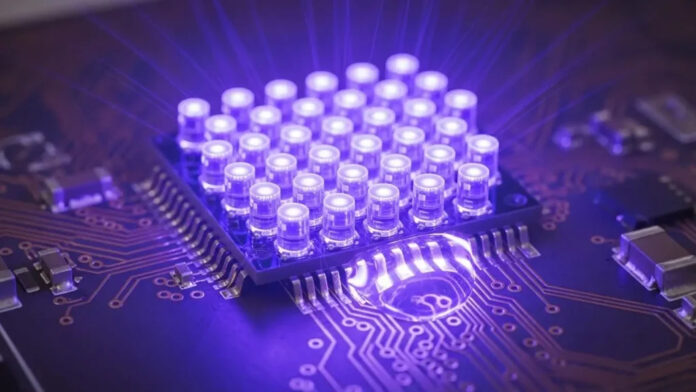
UV LED systems boost manufacturing efficiency with their rapid curing properties, leading to shorter wait times and higher production output.
Professionals report a drop in production cycle times by as much as 50% when using UV LED technology, enhancing operational flexibility.
The cost-effectiveness of UV LED curing stems from its lower energy consumption and longer lamp life, resulting in notable savings on both operational and maintenance costs.
This technology supports sustainability, significantly lowering energy use and reducing carbon footprints, which is attractive to environmentally conscious clients.
Moreover, UV LED curing minimizes waste through precise curing, reducing material usage while promoting a cleaner production process.
Products treated with UV LED technology show improved adhesion and finish, increasing marketability and reducing defects.
Additionally, UV LED curing fosters stronger, longer-lasting finishes, giving companies a competitive advantage through superior product durability.
Table of Contents
Uncovering the Hidden Efficiency of UV LED Curing
Why UV LED Systems Are Big Deals in Production
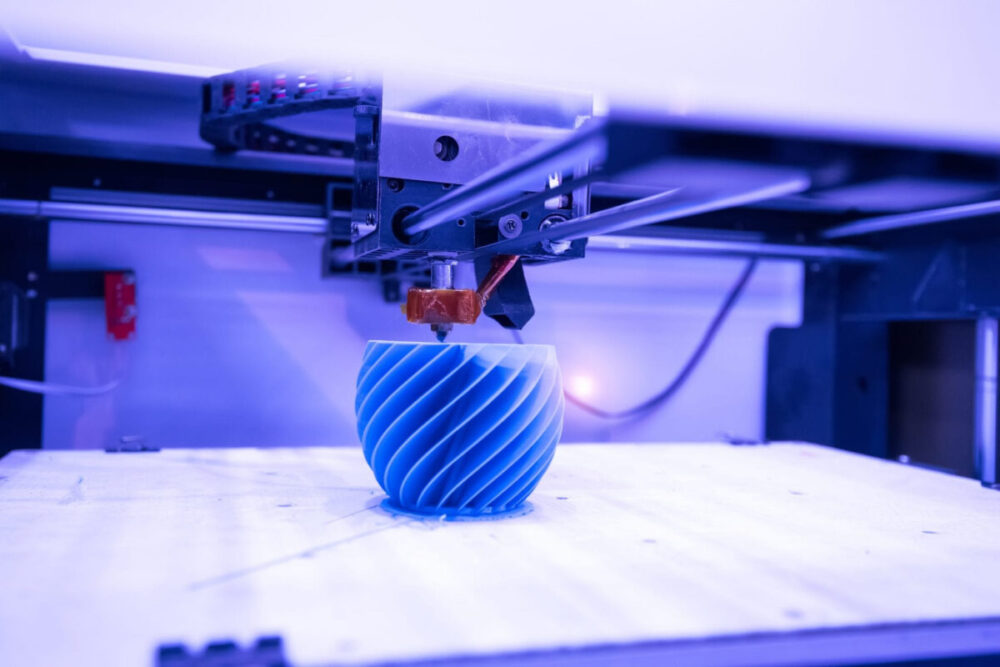
In today’s dynamic manufacturing landscape, professionals are consistently on the lookout for solutions that can drive efficiency and boost productivity.
UV LED systems are making a significant impact in production environments thanks to their rapid curing properties. Time is indeed money, and the swift curing capabilities offered by this technology result in shorter wait times between processes.
This advantage often allows for a greater number of products to be processed within a single production run. However, speed is not the only factor; achieving optimal results with minimal effort matters too.
For numerous businesses, adopting UV LED systems has resulted in a more streamlined workflow. Everything improves, from the initial setup to the final inspection process.
Reports indicate reductions in production cycle times, sometimes reaching 50%. This not only elevates output but also enhances overall operational flexibility. More options combined with shorter timelines? It’s undoubtedly a winning combination.
The Cost-Effectiveness of UV LED Over Traditional Methods
There’s a common misconception that cutting-edge technology always carries a hefty price tag. That’s not the case. In reality, UV LED curing presents significant cost-effectiveness advantages when stacked against traditional methods.
Lower energy consumption leads to diminished operational costs. With a growing focus on energy efficiency, more clients seek technologies that help their bottom line while boosting performance.
Moreover, UV LED lamps have a lifespan that far exceeds that of conventional mercury vapor lamps. This translates to fewer replacements and, therefore, greater long-term savings.
Over time, these factors contribute to significant cost reductions in both maintenance and parts. The resulting payback period often makes this technology appealing for businesses focused on investing in sustainability and efficiency.
“Investing in UV LED technology means committing to a future where both costs and environmental impact are optimized.”
Environmental Impact: Is UV LED Curing the Sustainable Choice?
How UV LED Curing Reduces Energy Consumption
As awareness about environmental issues grows, sustainability has taken center stage in manufacturing.
In this arena, UV LED curing emerges as a frontrunner. These systems typically consume significantly less energy, often using only a fraction of what traditional curing methods require.
The rationale is straightforward: UV LED curing operates at much lower temperatures, leading to reduced energy consumption and minimizing heat-related losses.
Sustainability goes beyond just energy efficiency; it encompasses the overall ecological impact, too.
Utilizing less energy means a lower carbon footprint, an important factor in today’s environmentally conscious market.
As clients increasingly search for greener alternatives, this technology shines as a leader in fostering sustainable manufacturing practices.
After all, who wouldn’t want to positively impact the environment while ramping up production efficiency?
Minimizing Waste with UV LED Technology
Waste reduction is another critical area where UV LED curing truly excels. Traditional methods frequently lead to unnecessary waste — whether through inefficient curing cycles or reliance on hard-to-dispose materials.
Here’s the advantage: UV LED technology provides a cleaner, more efficient approach overall.
Thanks to its precise curing capabilities, businesses can expect less material waste during the production process.
Organizations may find they can reduce chemical usage while still upholding stringent quality standards.
This not only benefits the environment but also reinforces a company’s reputation as a sustainable entity.
Every step toward decreasing waste counts — it’s about creating systems that blend efficiency with smart resource management.
“Adopting UV LED curing is a proactive step toward sustainability that businesses can take today.”
Enhancing Product Quality with UV LED Curing
The Science Behind Better Adhesion and Finish
Quality assurance is a primary focus for manufacturers, and for good reason. A product’s adhesion and finish have substantial bearing on its marketability.
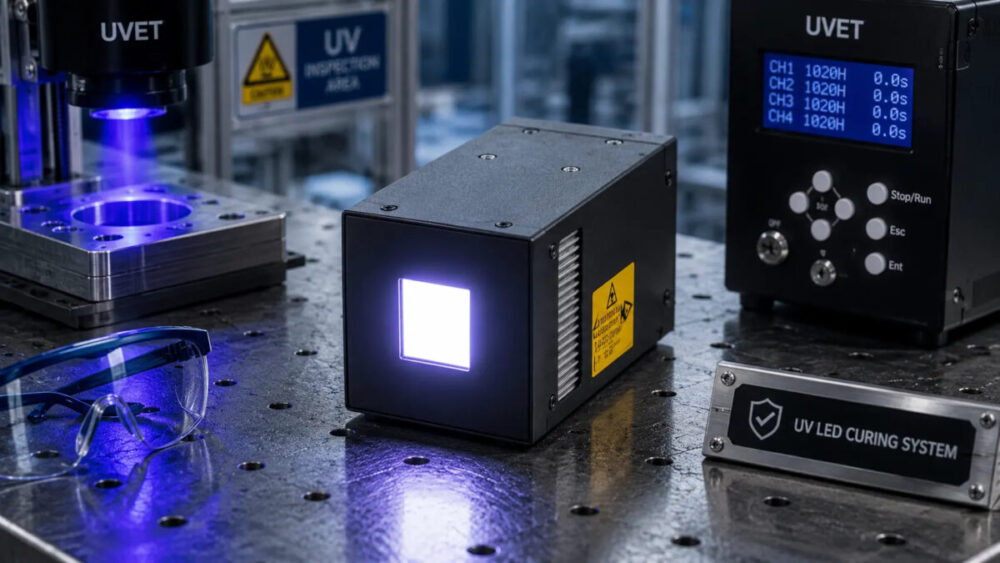
Experts recognize that UV LED curing enhances both adhesion and surface finish. By employing focused light to cure coatings, inks, and adhesives, professionals observe significant improvements in product aesthetics.
The science underlying this process involves energy density; UV LEDs emit light that initiates chemical reactions in applied materials, resulting in exceptional adhesion.
Fewer defects lead to better final products. The importance of these details shouldn’t be undervalued; they can genuinely make or break a sale.
When a product looks outstanding from the start, customers tend to trust the brand more readily. Investing in quality usually correlates directly with long-term profitability.
How UV LED Curing Improves Durability and Performance
Durability is also crucial, extending beyond mere aesthetics. In numerous sectors — including automotive, electronics, and packaging — the durability of a finish often dictates customer satisfaction.
Here’s an important point: UV LED curing yields stronger and longer-lasting finishes due to its unique polymerization process. This results in heightened resistance to wear and tear, chemical exposure, and even UV degradation.
This factor is essential for businesses striving to maintain a competitive edge. Picture a scenario where clients choose products not only based on price but also on a promise of superior durability.
Longevity fosters loyalty and builds lasting relationships. If companies are willing to invest in better processes now, they are likely to secure their market positions long term.
Streamlining Operations: Time-Saving Benefits of UV LED Curing
Quicker Turnaround Times Without Compromising Quality
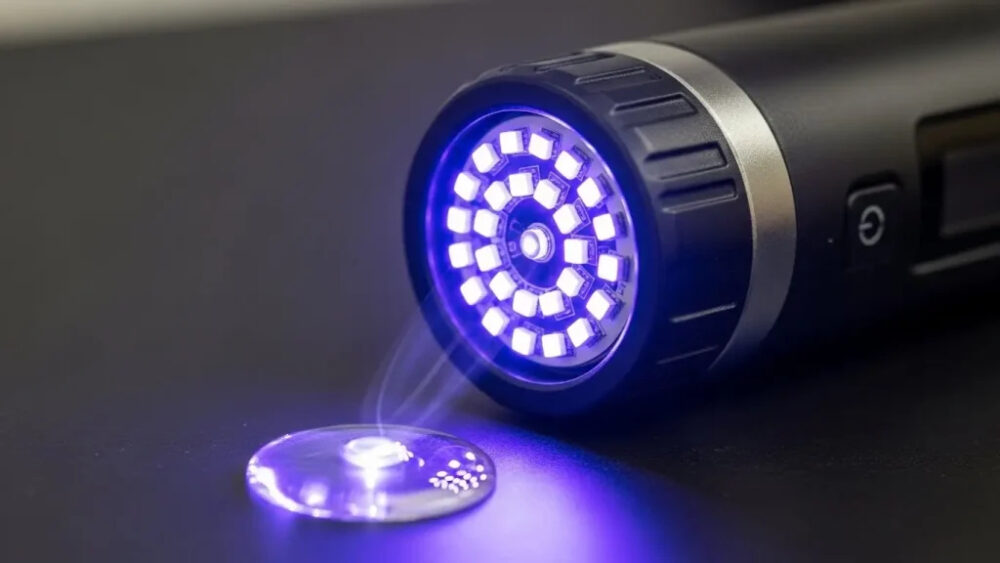
Time is arguably the most critical element in manufacturing. With UV LED curing, businesses often report extraordinary reductions in turnaround times, all achieved without sacrificing quality.
Accurate curing expedites the entire workflow, enabling manufacturers to meet tight deadlines more effectively. Consider the positive impacts on client satisfaction — shorter timeframes allow for faster product deliveries, enhancing trust and reliability.
This isn’t merely theoretical; many organizations have recorded significant enhancements in their production schedules. Faster processes don’t equate to rushing; they focus on maximizing efficiency.
Targeted light ensures uniform curing, reducing delays related to defects or inconsistencies. This agility allows clients to adapt quickly to changing demands, making them more capable in a constantly evolving market.
Integrating UV LED Systems into Existing Workflows
A common concern for businesses venturing into new technology is how to integrate it effectively. Professionals typically worry about the fit of UV LED curing within their established workflows.
The truth is, integration often proves straightforward. Many systems boast compatibility with traditional setups, minimizing disruptions.
This compatibility allows companies to adopt new technology without impacting their production pace, which is essential for managing change.
Additionally, training staff on these new systems typically requires minimal time and resource investment. While there may be a learning curve, the long-term benefits generally outweigh initial training challenges.
A smooth integration process positions businesses to quickly leverage the advantages of UV LED technology. Existing assistive technology or software can further simplify this transition.
“Transitioning to UV LED curing isn’t just about switching lamps; it’s about embracing the future of manufacturing.”