
January gets most of the attention when it comes to fitness resets. New memberships, new workout plans, and promises to get back into a routine.
But fall can be a better time to start.
Summer schedules tend to be less predictable. Travel, vacations, late nights, and time away from the usual routine can make consistent training harder. By September, schedules start settling back into place. Work and school routines return, the weather becomes more comfortable for outdoor activity, and there are still several weeks before the holidays disrupt the calendar again.
This guide covers how to start a fitness routine this fall and keep it going: starting at a level you can repeat, fitting workouts into the calendar you already have, raising intensity gradually, building in recovery, and handling the weeks that don’t go to plan.
Table of Contents
Don’t Be Ashamed to Start Small

The first mistake people make when returning to training is trying to pick up exactly where they left off.
A few months away can make an old workout feel much harder than expected. The temptation is to compensate by training harder, adding more days, or setting an aggressive goal right away. That can work for a week or two, but it often turns a fitness reset into another short burst of motivation.
A better plan is to give the routine time to rebuild. Start with a realistic number of training days, maybe two or three a week. Keep the first sessions manageable and increase intensity gradually. The first few weeks are less about seeing how much you can do and more about teaching yourself that you will show up again.
Repetition is what builds a routine. One difficult session does not create a habit. A manageable session followed by another a few days later does.
Make the Routine Fit the Calendar
Many people assume a workout only counts if it was hard to arrange. Convenience is not cheating. A routine that fits into your week is much easier to repeat than one that needs a perfect day.
Start with where you train. A gym or park close to home or work removes a trip that would otherwise eat into the evening. If your schedule is packed with kids and errands, a small setup at home works just as well. A mat, a pair of dumbbells, and a resistance band in the corner of the living room are enough for a twenty-minute session while dinner cooks. Family time can count too. Bike rides, weekend hikes, a pickup soccer game, or a walk after dinner all add up, and everyone gets to join.
Community helps. A running club, a recreation league, or a weekly class adds a set time and people who notice when you are missing. Try a few formats and keep the one you look forward to, since the best plan is the one you will still be following in November.
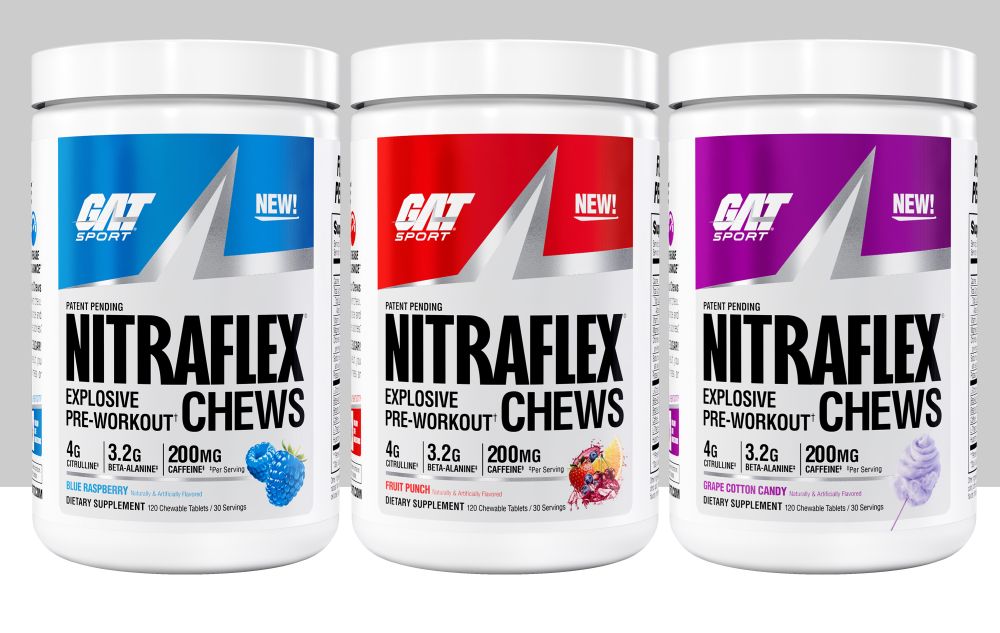
Convenience can extend to what you bring along. GAT Sport’s NITRAFLEX Pre-Workout Chews are built for busy weeks. With no shaker bottle or measuring scoop to pack, they are easy to keep in a gym bag, desk drawer, or travel bag. Take them about 30 minutes before training with 8 to 10 ounces of water.
Raise the Intensity Gradually
Once the routine feels normal, most people want more from their sessions. A few simple habits make that easier without overreaching. Change one thing at a time: add a training day, or a little more weight, or a few more minutes, but not all three in the same week. Keep one or two lighter days in the mix so the harder sessions have room to work. Write your sessions down in a notebook or an app, since seeing progress on paper helps when it feels slow. And use how you feel the next day as a guide. If you are still very sore or worn out, the last step was probably too big.
Some people also like extra support for their hardest sessions. GAT Sport’s NITRAFLEX Advanced is formulated for high-intensity workouts, with 325 mg of caffeine anhydrous, 1,000 mg of Nitrosigine, and other performance-focused ingredients. Nitrosigine is included to support blood flow, while caffeine provides the stimulant component associated with energy and alertness during training. The serving guidance fits the gradual approach: start with a half serving to assess tolerance before moving to a full serving.
Build Recovery Into the Plan
A reset works better when the workout is not the only part of the routine that gets attention. Sleep, eating enough to support your activity, hydration, and rest days all keep a plan sustainable. It helps to look beyond the hour spent exercising: what you eat beforehand, whether you have water with you, and what time you go to bed.
Recovery products can fit into that picture too. GAT Sport’s FLEXX EAAs + Hydration combines essential amino acids with electrolytes in a single serving, built to address muscle repair and hydration together.
Be Kind to Yourself When Plans Change

Try not to overthink it. Some weeks the plan will fall apart. A meeting runs late, the kids get sick, travel happens, or you just don’t feel like going. That’s fine, and one missed workout doesn’t end the routine.
On those days, swap the workout for something gentler. Take a long walk to clear your head. Do a few stretches on the living room floor. Go out dancing with friends. It all counts as moving your body, and that’s the habit you’re building.
Think of movement as a gift to yourself. You’ll be healthier for it and feel better for it, whatever form it takes that day.
Build the Habit Before the Holidays
A fall reset does not need to be dramatic. There is no need to announce a transformation or set an extreme goal. Returning to regular movement, rebuilding strength gradually, and finding a schedule that suits the season you are living through is plenty.
There are also several weeks between the start of fall and the holiday rush, enough time to settle into a routine before travel, parties, and year-end schedules compete for attention. Use that time to adjust your schedule, try different formats, find the right level of intensity, and learn which habits hold up.
Visit gatsport.com for more information on products that fit your fall routine.