
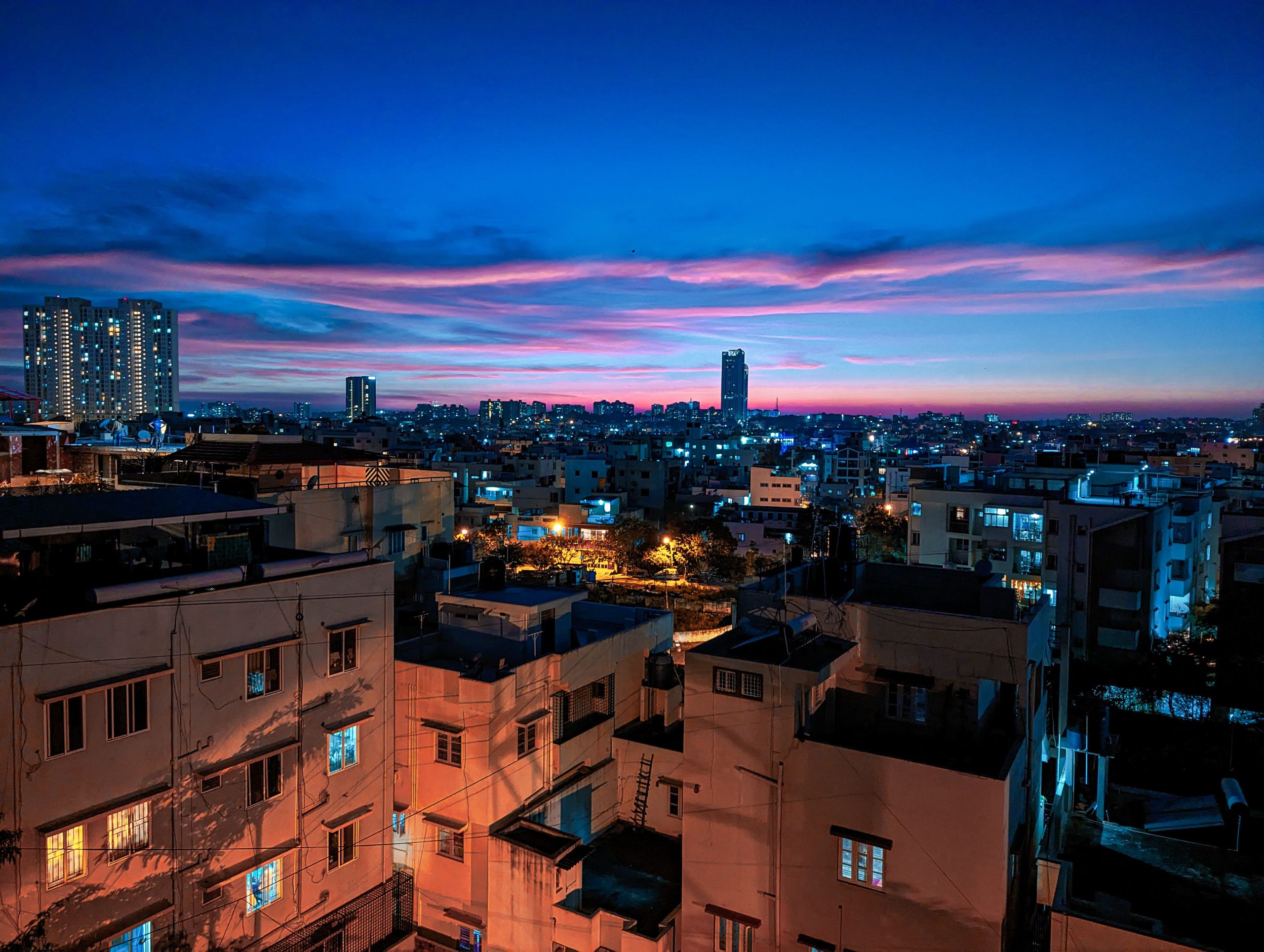
Ask someone abroad to picture modern India and you tend to get one of two films: the outsourcing office or the crowded street. Neither is wrong. Both are getting old. The more interesting story is unfolding in places most travel guides treat as footnotes, where a planned capital, an old port and a textile town are each running their own experiment in what a twenty-first century Indian city should feel like.
I looked at what those experiments have actually delivered, and where they quietly fell short. My read is straightforward. The cities that will define modern India are the ones fixing the last mile and asking who paid for the makeover. The best launch photographs rarely survive contact with either test.
Table of Contents
A scoreboard before the story
These cities get compared by what they built, when it opened, and the part the press release tends to skip. The figures below are current as of late 2026 unless noted.
| City | Signature move | When | What the headline skips |
|---|---|---|---|
| Bengaluru | Namma Metro network | 2011 onward | 96 km and 83 stations, around 10 lakh daily riders against a 30 lakh projection |
| Kochi | Water Metro electric ferries | 2023 | 6.5 million passengers by 2026 and still short of the 8,000 daily trips needed to break even |
| Chandigarh | Le Corbusier Capitol Complex | 1950s, UNESCO 2016 | The esplanade and reflecting pools sit largely empty, and the original plan was never finished |
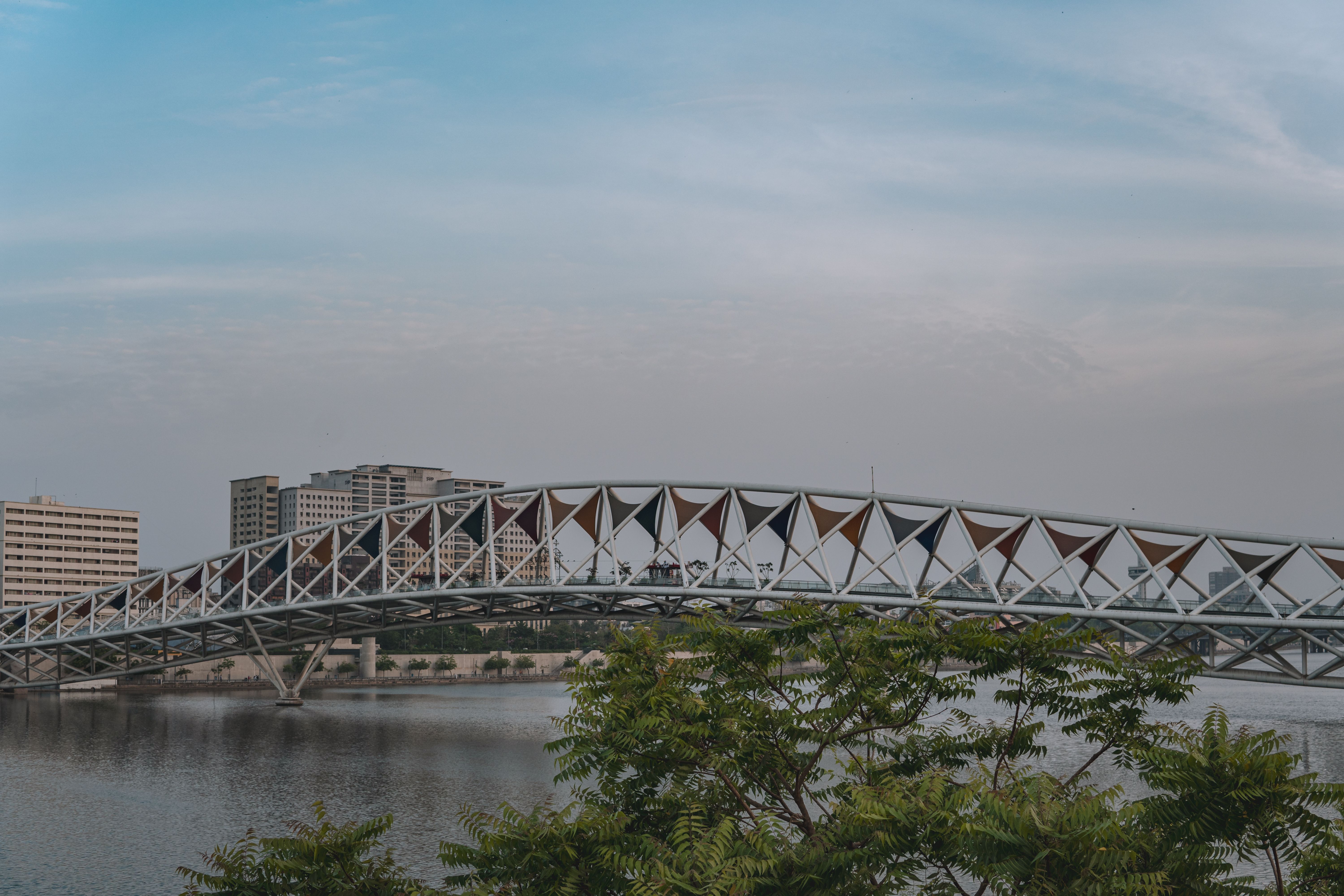
| Ahmedabad | Sabarmati Riverfront | 2012 | Around 12,000 riverbank residents were relocated, and some resettlement housing is failing |
| Surat | Surat Diamond Bourse | Completed 2023 | The world’s largest office floor area, with most of its 4,500 offices still to fill |
| Hyderabad | Life sciences and HITEC City | 1990s onward | One of the world’s densest clusters of US FDA-approved plants, now pushing into AI-driven discovery |
Sources: BMRCL and Times of India, September 2026; Kochi Water Metro and Times of India, April 2026; UNESCO World Heritage Centre; Frontline, March 2025; Reuters, December 2023; Telangana government and Metro India, June 2026.
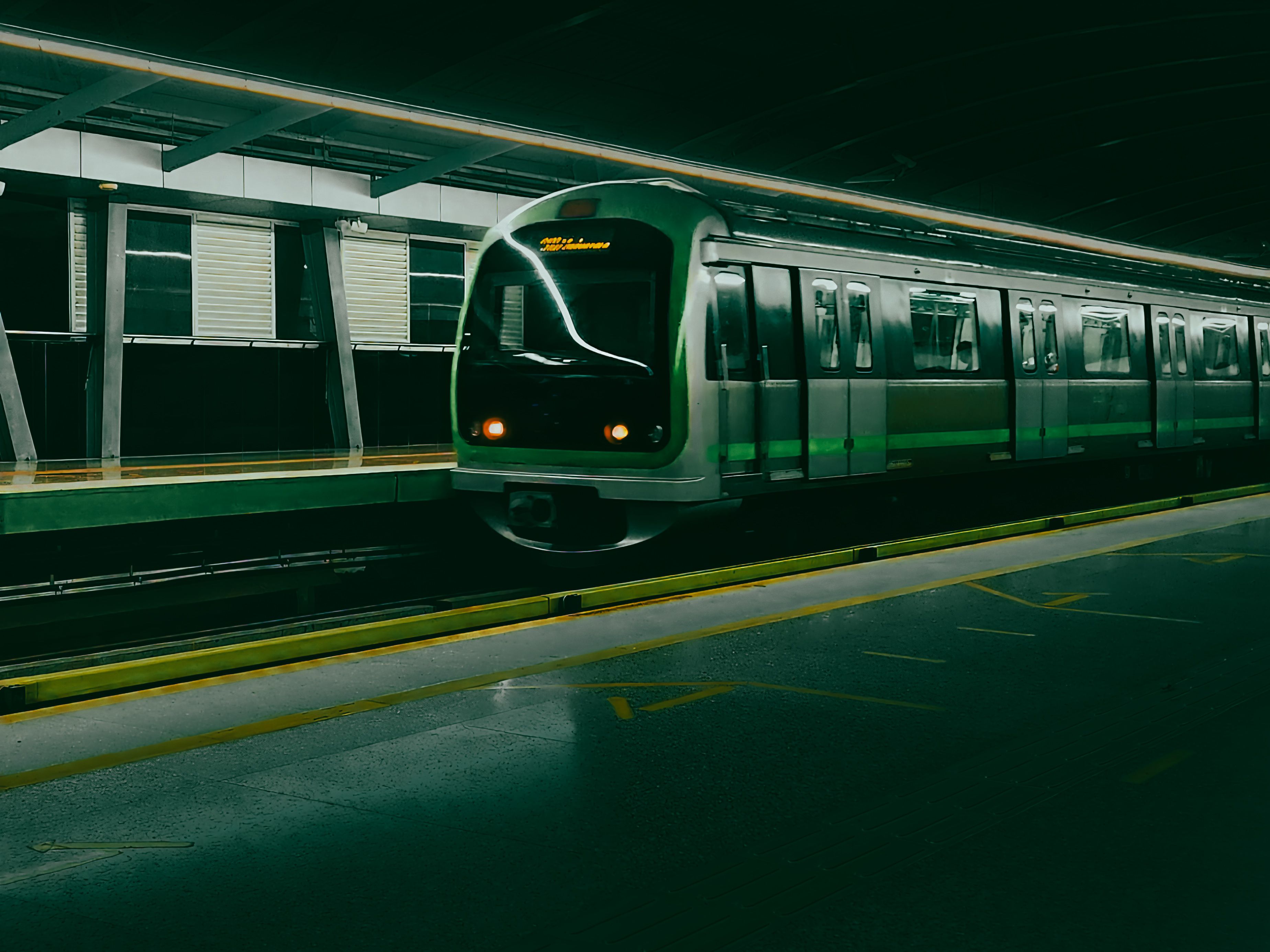
Bengaluru built a metro, then met the last mile
Namma Metro opened in 2011 as a 7 km stretch between MG Road and Byappanahalli. Fifteen years later it runs 96 km across three lines and 83 stations, and on 10 August 2026 it logged 11,19,815 boardings in a single day, the highest yet. The average sits much lower.
Here is the number the city does not put on posters. The detailed project reports for the operating corridors projected close to 30 lakh daily passengers by now, and actual ridership hovers near a third of that. A 2026 Comptroller and Auditor General report flagged weak last-mile connectivity as a major cause. Bengaluru has just two interchange stations across the whole network, and 29 metro stations still have no feeder bus service.
Feeder work is inching along. BMTC runs dedicated feeder buses at 54 stations, with 255 vehicles carrying about 1.5 lakh passengers a day, and the state has appointed a consultant for a fresh comprehensive mobility plan. My honest view is that Bengaluru shows the whole national pattern in miniature. Laying track wins elections, and making the track useful wins commuters.
Kochi turned its backwaters into public transport
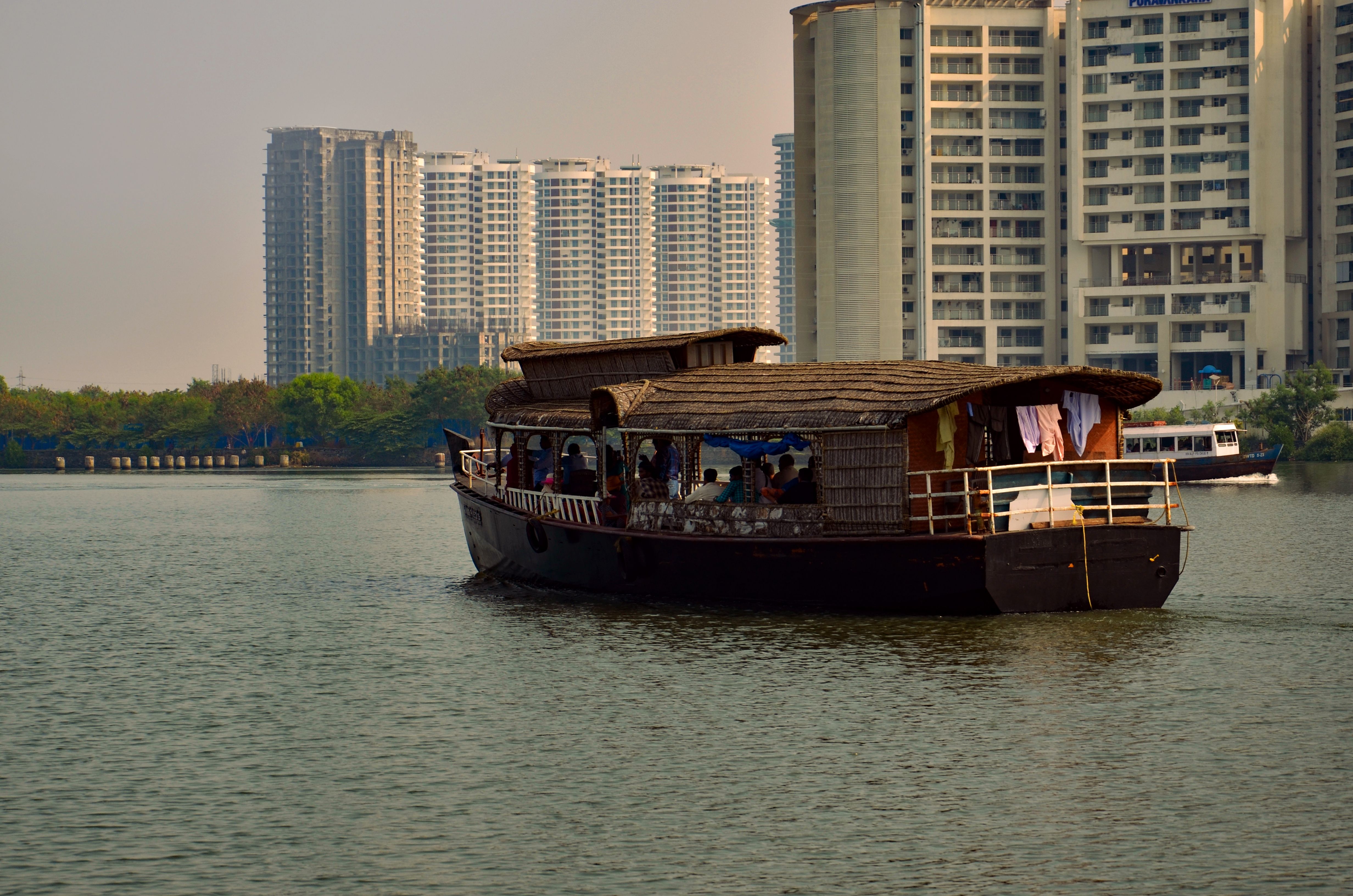
Kochi Water Metro became operational on 26 April 2023 as India’s first water metro, a fleet of air-conditioned electric-hybrid ferries built by Cochin Shipyard and charged from lithium titanate oxide batteries in ten to fifteen minutes. It was designed to link ten island communities to the mainland, where road access was always the weak point.
By its third anniversary in April 2026 it had carried 6.5 million passengers. Average daily ridership sits in the 7,000s, and the operator needs about 8,000 to reach financial breakeven. Losses narrowed from Rs 30.26 lakh in 2023-24 to Rs 19.22 lakh in 2024-25. The Rs 1,136 crore project, part-funded by a German KfW loan, eventually aims for 78 boats across 38 jetties. India’s Economic Survey for 2025-26 held it up as a replication model, and feasibility studies have started in more than 20 other cities.
Kochi solved a specific local problem by using the water it already had. That specificity is worth more than a generic smart-city dashboard, and I would rather see twenty cities copy this than another glass tower.
Chandigarh was designed as an argument, and it is still arguing
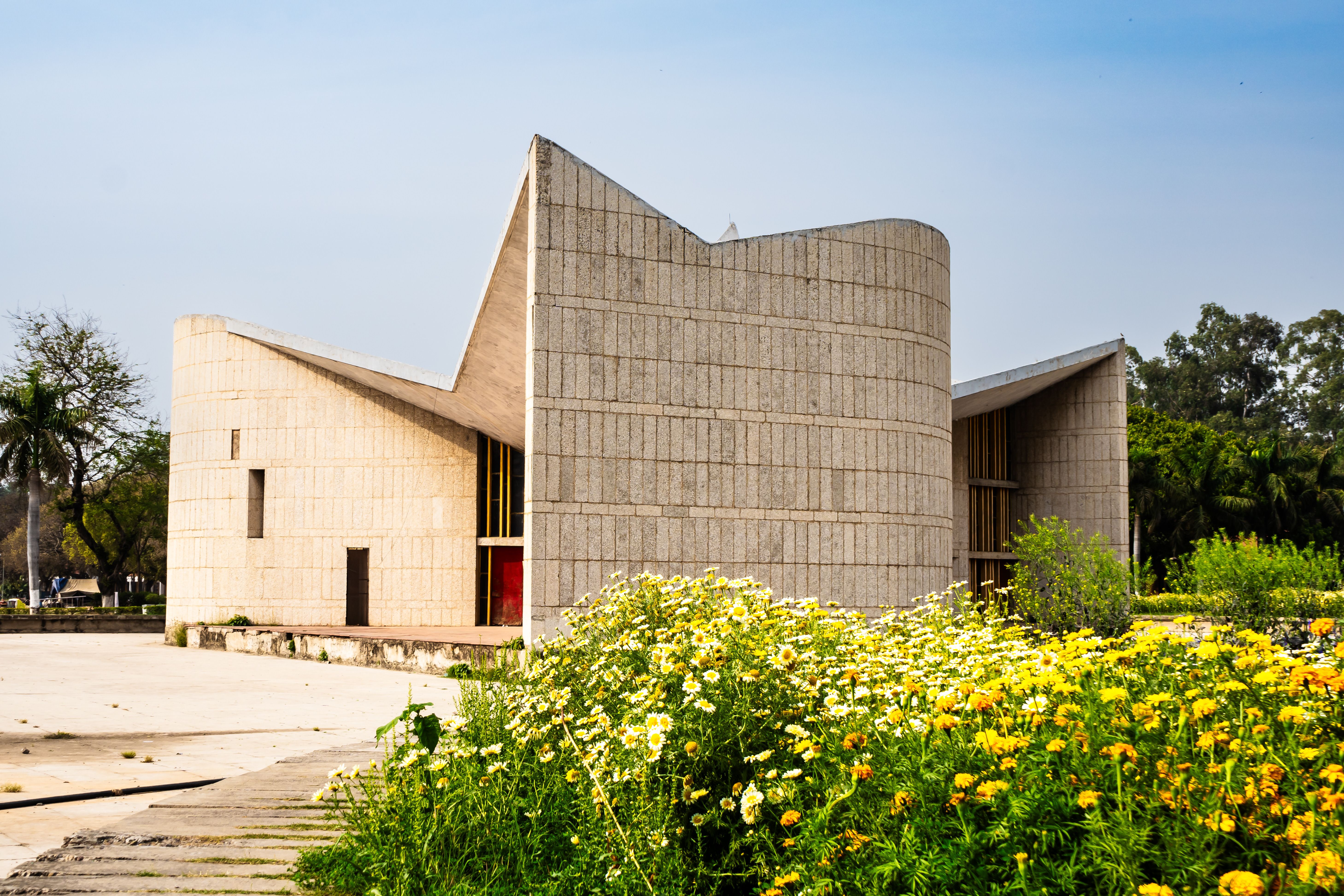
Chandigarh is the rare Indian city that began as a manifesto. Commissioned after Partition stripped Punjab of Lahore, the new capital was laid out by Le Corbusier as a grid shaped around a human figure, with the Capitol Complex at its head against the Shivalik Hills. The complex holds three buildings, the High Court, the Assembly and the Secretariat, plus four monuments including the 26 metre Open Hand.
The concrete work was experimental in ways that still read as modern: double-skinned roofs, deep sunshades and reflecting pools for cooling and rainwater capture, all decades before passive design became a marketing term. The site joined the UNESCO World Heritage list in 2016 as part of a transnational serial property spanning seven countries and seventeen Le Corbusier works.
That is the polished version. Walk the esplanade today and you find a vast concrete plane that is usually near empty, reflecting pools streaked with moss, and a plan that was left half-built when Punjab and Haryana split the province. The city’s most modern quality may be that its architecture admits the mess. I find that more honest than a finished render.
Ahmedabad planned itself, then argued about the plan
In August 2026 the entrepreneur Praful Billore, better known as MBA Chai Wala, called Ahmedabad the most underrated city in India. He pointed to its old trading families, its food, IIM Ahmedabad, and a Bus Rapid Transit System, riverfront and metro that arrived in a city which, in his words, actually planned itself. Plenty of people pushed back about the traffic and the shortage of natural escapes nearby.
Both readings have something to them. The walled city earned UNESCO World Heritage status in 2017 for its pols and havelis, and the Sabarmati Riverfront gave Ahmedabad a public edge it never had. The uncomfortable part is who moved to make room. Around 12,000 riverbank residents were relocated during the project, and in 2025 Frontline reported that many resettlement flats built in 2012 were already crumbling, with about 2,200 units demolished and families fighting for shelter again. Navdeep Mathur of IIM Ahmedabad documented how little say the displaced had in where they were sent.
A steady flow of traders, diamond brokers and conference visitors keeps the city’s hotel and hospitality trade busy through the week, and that circuit supports listings such as Ahmedabad call girls. Modernity here runs several economies at once, and the visible ones get the ribbon-cuttings.
Surat put a $30 billion market behind a diamond facade
Surat has spent a century turning rough stones into polished ones, and it processes around 90 percent of the world’s rough diamonds. In December 2023 it opened the Surat Diamond Bourse, a 6.7 million square foot complex that took the world’s largest office building title from the Pentagon, at a cost of about Rs 32 billion. The bourse has nine towers and more than 4,500 offices, and at inauguration only a small fraction were in use.
The city got a second headline in September 2026, when a consumption study found that Surat is now India’s largest consumer market outside the six megacities. Its roughly $30 billion market sits alongside Ahmedabad and Pune, and average household consumption in Surat runs higher than Bengaluru’s. The researchers put it in a group they call Boomtowns, cities that pair real population size with high spending per household.
Surat works six days a week. The buyers, brokers and textile agents passing through keep the service trade busy well past closing time, and listings for Surat call girls belong to that same after-hours economy that serves a floating trading population.
Hyderabad is turning pharma into a platform
Hyderabad has already reinvented itself twice. It became the pharmacy of the developing world through generics and vaccines, then built HITEC City and Cyberabad into an enterprise technology hub that now rivals Bengaluru and Pune for talent. The HITEC City metro station alone sees around 42,000 commuters a day.
The third act is the interesting one. Telangana accounts for a large share of India’s pharmaceutical output, supplies close to a third of global vaccine demand, and hosts one of the world’s densest clusters of US FDA-approved plants. The state’s Next Gen Life Sciences Policy, launched at BioAsia in 2026, targets $25 billion in investment and 500,000 jobs, with an ambition to rank among the world’s top five life sciences hubs by 2030.
The advantage Hyderabad holds is that software engineers and biologists work in the same city, often on the same campus. That combination is rare anywhere on earth, and it is the foundation for AI-assisted diagnostics and drug discovery. A large professional class cycling through the tech corridor also sustains a busy hospitality sector, and Hyderabad escorts serve part of that demand from visiting consultants and project teams.

The part the launch photos leave out
The most serious challenge to this whole story concerns where the money went. India’s Smart Cities Mission ran from 2015 until March 2025 with a budget around Rs 1.5 lakh crore and 7,555 completed projects. An analysis by the Centre for Policy Research found that area-based development covered about seven percent of an average city’s area while receiving roughly 80 percent of the funding, reaching around nine percent of residents.
The researcher Persis Taraporevala has argued that the mission’s design, with its emphasis on digitisation and selected zones, decided in advance who could take part and who would gain. In Surat, a migrant workers’ union leader, Sharad Jagade, told reporters that consultations leaned toward wealthier neighbourhoods. In Indore, families were displaced during redevelopment and, because the work ran under planning law rather than resettlement law, many received only construction certificates instead of compensation. The assessment of the mission a decade on makes for sober reading.
The technology works and the projects delivered real things. A decade of evidence still says the gains landed in a few places by design, and the same pattern shows up in Bengaluru’s weak feeder network and Ahmedabad’s failing resettlement blocks. An honest scoreboard has to include the people who were moved to build it.
What would actually make these cities modern
If I could set one priority for the next ten years, it would be the last mile and the first home. Feeder buses, walking paths and working streetlights decide whether a metro line changes a city or merely decorates it. Honest resettlement, with housing that lasts longer than a decade, decides whether the makeover earns its cost.
What would change my mind is testable. If Bengaluru’s coming lines lift ridership closer to the original projections, if Kochi’s water metro hits breakeven, and if the resettlement towers in Ahmedabad survive a second decade, my skepticism would soften. The evidence so far is thin enough that I hold the position loosely.
Here is a choice worth sitting with. Would you rather live in a city with a photogenic riverfront and a bus network that never arrives, or a scruffy city where the commute takes twenty minutes and the neighbourhood feels safe? Most people say the second and then move toward the first. That gap is the real story of modern India.
How this piece was put together
I set out to find what six Indian cities have actually built in the last decade, and what those projects cost in public money and displacement. The figures come from metro and water-metro operators, the 2026 CAG audit, the Economic Survey 2025-26, UNESCO, the Surat consumption study covered by India Today, and academic and press reporting on the Smart Cities Mission and the Sabarmati Riverfront, all checked in September 2026. Where sources disagreed, I have said so. Ridership and break-even figures move monthly, so recheck them before citing this piece.
Frequently asked questions
Which Indian city is the best example of modern urban planning?
Chandigarh remains the standard reference. Le Corbusier’s Capitol Complex was inscribed by UNESCO in 2016, and its passive cooling features still hold up. It is also a warning, since the complex was never completed and much of it sits unused.
Is the Kochi Water Metro useful for daily commuting?
For island residents, yes. It carried 6.5 million passengers by April 2026, though daily ridership in the 7,000s remains below the 8,000 needed for financial breakeven.
How large is the Surat Diamond Bourse?
Its constructed area is about 6.7 million square feet, which makes it the largest office building in the world by that measure. It has nine towers and more than 4,500 offices.
Which Indian city has the largest metro network?
Delhi. Mumbai and Bengaluru follow, with Bengaluru operating about 96 km and 83 stations as of 2026.
Why did the Smart Cities Mission fall short for many residents?
Critics point to its area-based design. About seven percent of an average city’s area received roughly 80 percent of funds, and consultation with low-income neighbourhoods was often limited.