Home Blog

Top New Condominium Projects Near MRT Lines in Singapore

Source: straitstimes.com

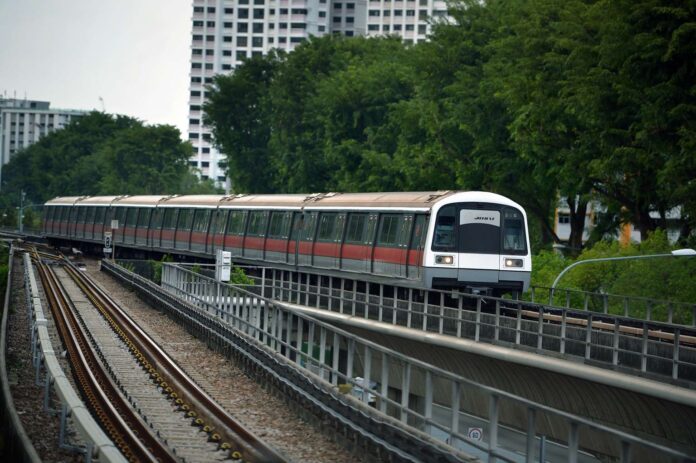
Singapore’s property market continues to evolve around one constant factor:  proximity to the MRT. In a compact city where convenience defines lifestyle, homes within a short walk of a station hold greater long-term value, higher rental potential, and stronger resale demand. In 2025, developers are focusing on connectivity-driven condominiums that align with this trend.

Projects launched along the Thomson-East Coast Line, Cross Island Line, and Downtown Line corridors are attracting both local buyers and foreign investors seeking fast access to the CBD, education hubs, and retail clusters.

The New Reality of MRT-Oriented Living
Source: straitstimes.com

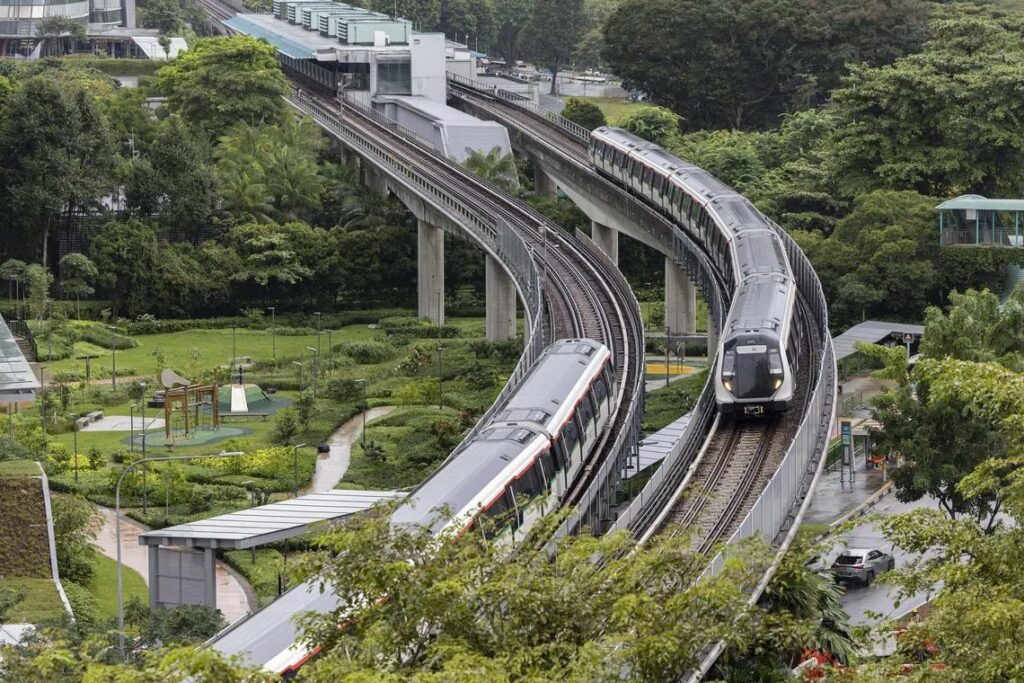
Over the past decade, Singapore’s MRT network has redefined how residents evaluate property. Homes near stations consistently outperform those located farther away. According to URA data, projects within 500 meters of an MRT station can command price premiums of 10% to 20%. These premiums are not speculative;  they stem from tangible convenience and reduced commute time.

In 2025, the focus has shifted to new segments of the MRT map, particularly the eastern and northern expansions. These lines are bringing connectivity to previously underdeveloped zones like Lentor, Bayshore, and Hougang, where developers have moved fast to secure plots. The result is a wave of modern, mid- to high-density condominiums built with accessibility as their defining feature.

North Region – The Lentor Growth Zone

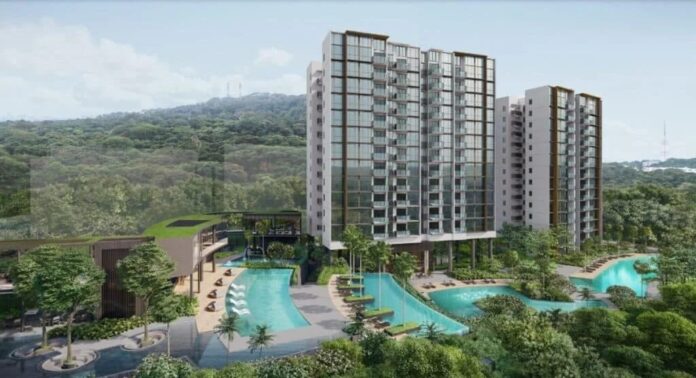
The northern corridor of Singapore has seen one of the fastest rises in integrated living environments. The Lentor area, in particular, has transformed from a quiet enclave into a mixed-use hub anchored by the Thomson-East Coast Line (TEL). With direct MRT links to Orchard, Marina Bay, and Gardens by the Bay, residents here gain city access without the central noise or density.

New projects around Lentor MRT are built around a lifestyle-first philosophy: greenery integration, full-facility layouts, and low vehicular dependency. Families value the proximity to schools like Anderson Primary and CHIJ St. Nicholas Girls’ School, while professionals appreciate the ease of getting downtown without transfers.

East Region – Coastal Connectivity and Redevelopment
Source: commons.wikimedia.org

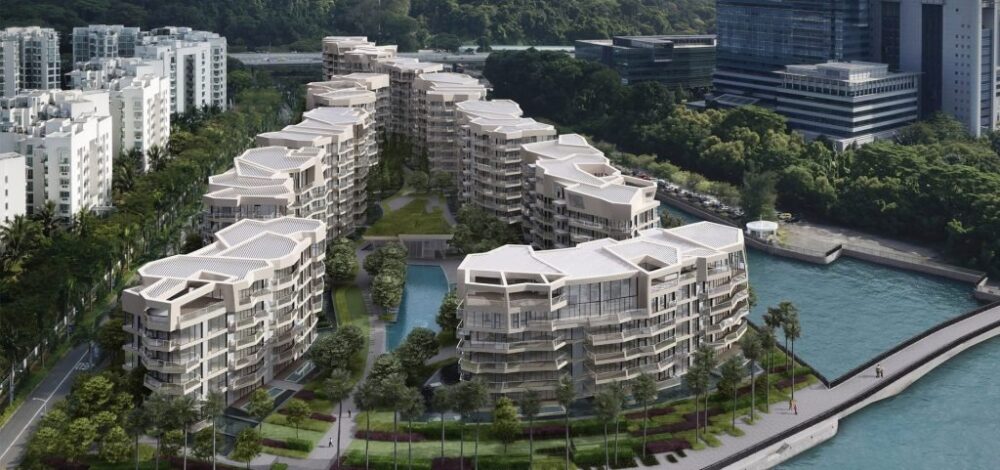
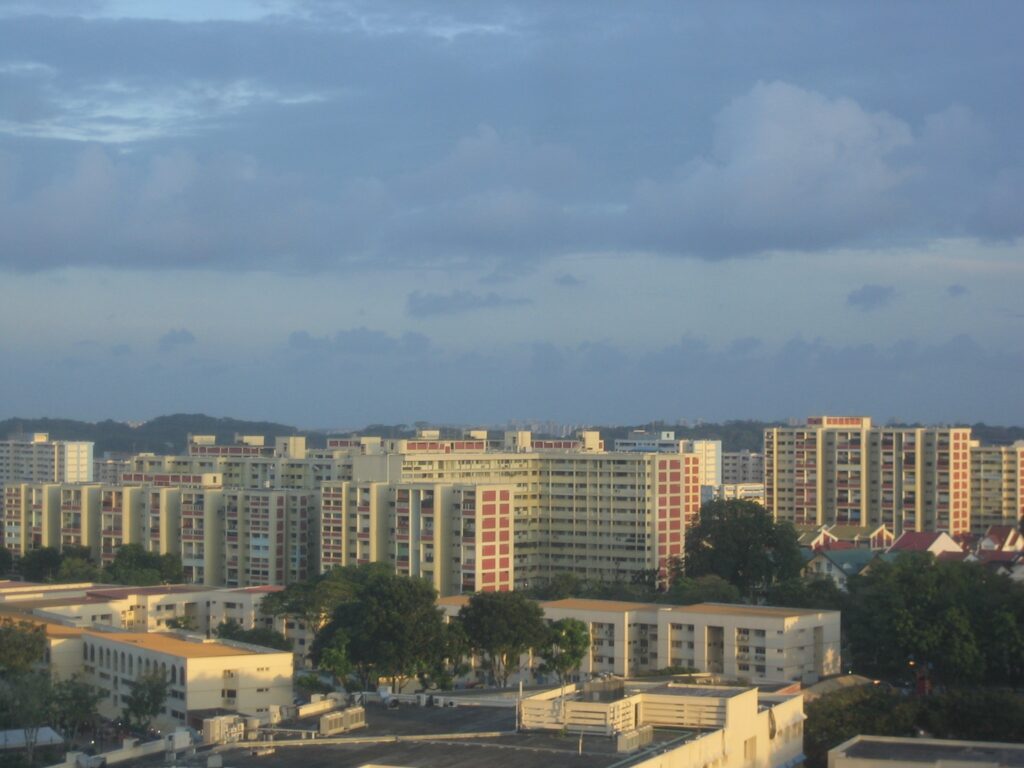
The East Coast stretch remains one of Singapore’s most desirable residential belts. The upcoming Bayshore and Bedok South stations are reshaping how developers plan residential density in the east. Here, newer condominiums are designed to capture sea views while maintaining walkability to MRT access points.

One standout development reflecting this coastal-urban blend is Pinery Residences. Located near the upcoming Tanjong Katong MRT station on the Thomson-East Coast Line, the project balances city access with the tranquility of the East Coast lifestyle. Its position near key arteries like East Coast Parkway and Marine Parade ensures quick access to Changi Airport and the Central Business District.

The development’s appeal lies in its ability to connect daily commuting ease with leisure options;  residents can cycle to East Coast Park or reach Raffles Place within 15 minutes. It demonstrates how new projects along emerging MRT corridors offer both mobility and livability without compromise.

Central Region – Urban Redevelopment and Value Retention
Source: roughguides.com

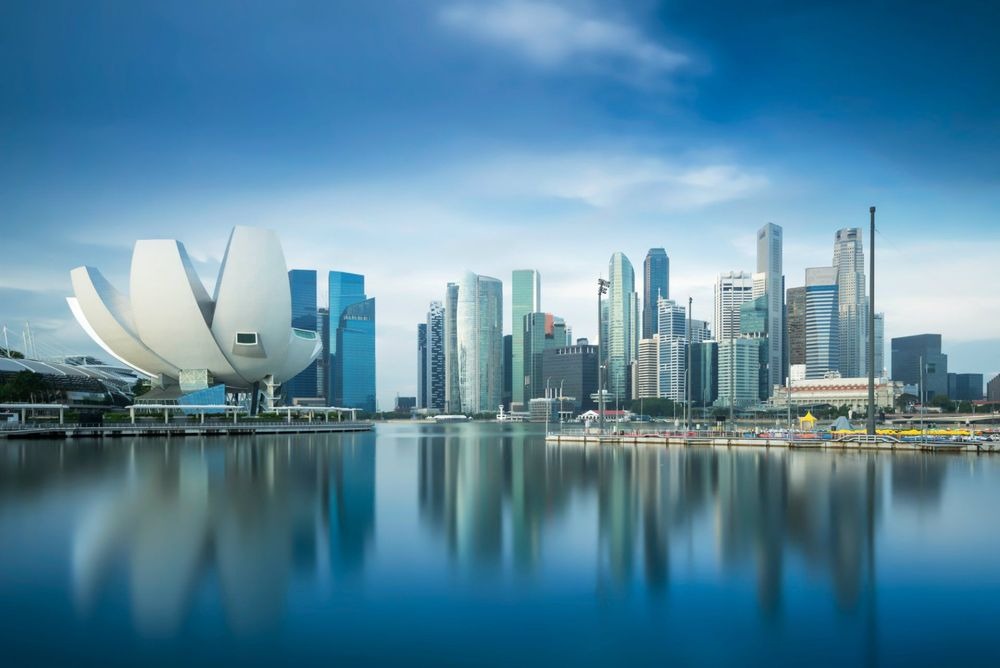
Closer to the core, redevelopment zones such as Balestier, Newton, and Novena continue to evolve with selective high-rise projects that emphasize urban renewal. These areas are saturated with medical, retail, and educational amenities, making them appealing to long-term investors who prioritize rental yield stability over speculative gains.

Developers in central districts are now adopting flexible unit mixes to cater to younger professionals and smaller families who want city-center proximity but also demand modern amenities and efficient layouts. While prices here remain high, the MRT access mitigates parking costs and improves lifestyle convenience, factors that sustain demand even during market cooling measures.

West Region – Transformation Through Connectivity

The west side of Singapore, traditionally seen as more industrial, is undergoing an identity shift driven by the Jurong Lake District (JLD) masterplan and the expansion of the Cross Island Line (CRL). Jurong is being positioned as Singapore’s second Central Business District, supported by enhanced transport integration. Upcoming MRT connections to Clementi, Bukit Timah, and Ang Mo Kio make this region one of the most strategically connected in the country.

New projects here focus on eco-smart living, with developers integrating energy-efficient systems and communal green areas. These enhancements are part of a broader national shift toward sustainable urban planning, ensuring long-term relevance as Singapore progresses toward its Green Plan 2030 goals.

South Region – Premium Waterfront Developments
South Region

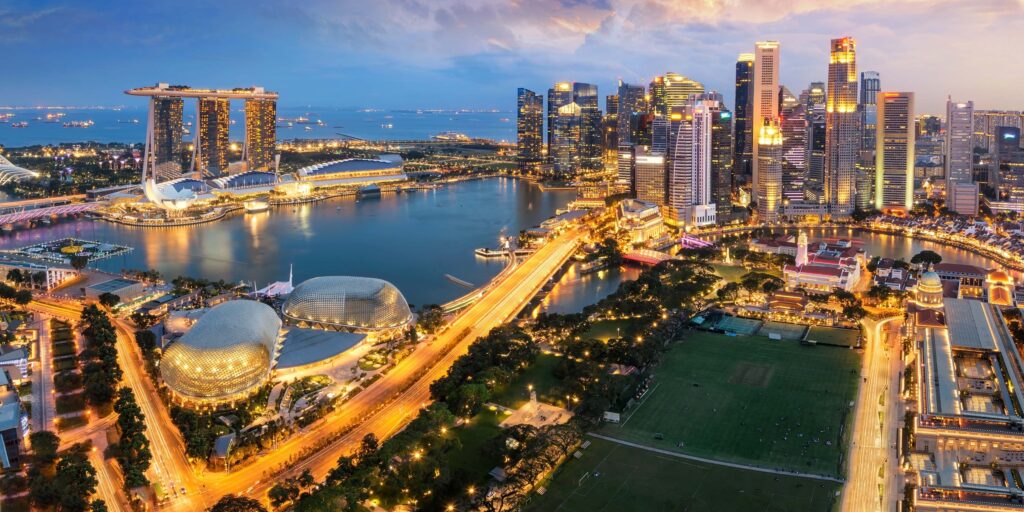
The southern waterfront remains one of the most coveted property zones, supported by the ongoing Greater Southern Waterfront transformation. Future MRT connectivity via the Circle Line and Thomson-East Coast Line will make the area even more accessible, linking luxury residences directly to business and entertainment hubs.

One upcoming high-end project illustrating this evolution is Narra Residences. Positioned strategically within walking distance of an MRT interchange, it integrates luxury design with transit-oriented planning. Its layout caters to both investors and owner-occupiers seeking long-term value retention in an area set for continuous growth.

The project demonstrates how premium developments are no longer defined solely by architecture or amenities, but by seamless integration with Singapore’s expanding transport network. Its MRT proximity not only enhances convenience but also insulates property value from economic fluctuations, a factor increasingly central to investment logic.

Why MRT Proximity Defines Singapore’s Future Property Value
Source: straitstimes.com

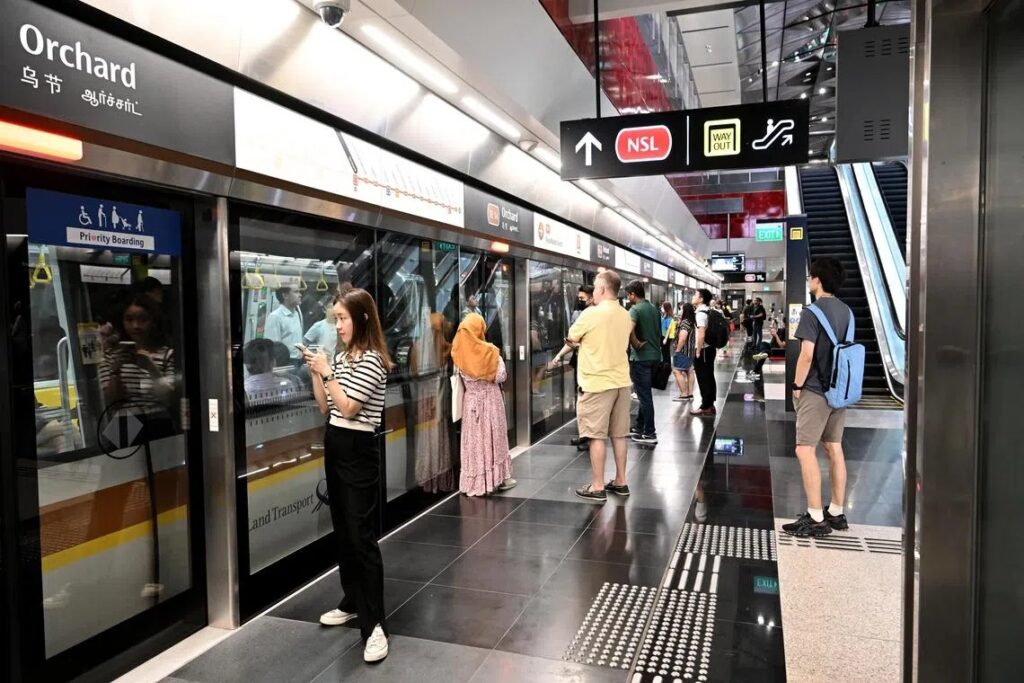
Real estate in Singapore has always been closely tied to the nation’s infrastructure development. Unlike in larger countries where highways dominate mobility, Singapore’s rail network dictates urban growth. With the Cross Island Line and the Jurong Region Line set to expand coverage to 90% of residential areas by 2035, today’s buyers are effectively securing tomorrow’s convenience.

For investors, MRT-adjacent condominiums carry distinct financial advantages:

  • Resale Liquidity: Properties near MRTs sell faster, even in slower markets.
  • Rental Demand: Tenants, especially expatriates and younger professionals, consistently prefer units within a 10-minute walk to stations.
  • Capital Stability: During cooling periods, MRT-connected developments show smaller price declines compared to non-connected ones.

These factors collectively make such properties more resilient. Developers recognize this trend and increasingly compete for plots near future MRT lines, ensuring that the next decade of condominium launches remains tightly linked to transport accessibility.

Mid-Decade Outlook

As Singapore progresses toward its 2040 Land Transport Master Plan, the correlation between MRT expansion and property value will only strengthen. Areas like Ang Mo Kio, Hougang, Clementi, and East Coast are forecast to see continuous urban improvement, new amenities, and evolving demographic appeal.

For homebuyers, this trend means that choosing a residence today is less about immediate prestige and more about future network value. For investors, it signals an enduring strategy: purchase where infrastructure is growing, not where it has already peaked.

Conclusion

Singapore’s condominium landscape in 2025 clearly centers on transit-oriented development. From the northern connectivity of Lentor to the coastal accessibility of the East, the west’s transformation around Jurong, and the ongoing southern waterfront expansion, MRT lines remain the defining metric for residential desirability.


Understanding Dust Suppression and Its Importance

Source: abcdust.net

Dust may seem like a small issue, but in industrial, agricultural, and construction settings, it can quickly become a major challenge. Tiny airborne particles are more than just a nuisance; they pose significant risks to health, safety, and the environment. That’s where dust suppression comes into play. By controlling and reducing the spread of dust, organizations not only improve air quality but also ensure compliance with regulations and protect both workers and the community.

Why Dust Control Matters

Source: ninjadeicer.com

Dust is generated in many ways—through mining, demolition, unpaved roads, construction sites, or even during material handling in factories. While dust may appear harmless, the reality is quite different. Prolonged exposure to fine particles can contribute to respiratory diseases such as asthma, silicosis, and chronic obstructive pulmonary disease (COPD). In addition, visibility issues caused by excessive dust clouds can lead to accidents on worksites or nearby roads.

From an environmental perspective, airborne particles may contaminate soil, disrupt ecosystems, and even affect water sources when they settle. For these reasons, dust suppression strategies have become essential in industries that deal with heavy dust generation.

Methods of Dust Suppression

There is no one-size-fits-all approach to dust control. The method chosen depends on the type of dust, the environment, and the scale of operations. Some of the most widely used techniques include:

Water-Based Solutions

Source: blog.midwestind.com

Spraying water directly onto dusty surfaces is one of the simplest and most common dust control methods. Water binds dust particles, preventing them from becoming airborne. However, this method is temporary and often requires frequent reapplication, especially in dry or windy conditions.

Chemical Suppressants

Source: xylem.com

Certain industries use chemical dust suppressants that create a thin film or crust over surfaces. These suppressants are designed to hold particles together, reducing the risk of dust release. While effective, they must be carefully chosen to avoid harmful side effects on the environment.

Mechanical Controls

Barriers, enclosures, and ventilation systems can physically reduce the spread of dust. For example, conveyor belts may be covered, or specific machinery may be fitted with dust extraction systems. These approaches are especially useful in manufacturing facilities where dust is generated continuously.

Surface Stabilization

In agricultural fields or unpaved roads, stabilizing the surface using polymers or natural fibers can help prevent dust from being disturbed. This method is particularly useful for large, open areas where spraying water may not be practical.

Health and Safety Benefits

Source: workplacepub.com

Implementing dust control measures is not just about compliance—it directly impacts the health and safety of workers. By reducing airborne particles, employers lower the risk of respiratory diseases and skin irritation. Cleaner air also improves visibility, reducing the chances of workplace accidents.

In addition, controlling dust contributes to overall employee well-being. Workers in environments with minimal dust exposure report higher satisfaction and productivity levels, as they are less likely to suffer from fatigue and breathing difficulties.

Environmental and Community Considerations

Dust is not confined to work sites. Without proper management, it can drift into nearby communities, causing air pollution and discomfort for residents. Farmers, for instance, may see their crops damaged by excessive dust settling on leaves, reducing photosynthesis and crop yield.

On a broader scale, dust can also play a role in climate issues. Large amounts of airborne particles may interfere with atmospheric processes, influencing weather patterns. Therefore, dust suppression methods benefit not just workers and industries but also surrounding communities and the environment at large.

Regulatory Compliance

Source: myshyft.com

Governments and environmental agencies across the world have set strict guidelines regarding dust emissions. Failure to meet these standards can result in fines, lawsuits, and reputational damage. Companies that prioritize dust suppression show commitment to sustainability and social responsibility while avoiding costly penalties.

Many businesses now view dust control as part of their corporate responsibility strategy. By proactively addressing dust emissions, they demonstrate care for both their workforce and the environment.

Modern Innovations in Dust Suppression

Technology continues to advance the way we deal with airborne particles. Modern systems include automated water cannons that can be programmed to target dusty areas, and smart sensors that monitor air quality in real time. These solutions ensure dust control is more efficient and less resource-intensive than traditional methods.

New environmentally friendly suppressants are also being developed to minimize ecological impacts. These biodegradable products allow industries to balance operational efficiency with sustainability goals.

Conclusion

Dust is more than just a minor inconvenience—it has significant health, safety, and environmental implications. Effective dust control strategies are vital across industries to protect workers, support community well-being, and maintain regulatory compliance. With a range of traditional and modern approaches available, organizations can choose the method that best fits their operational needs.

To learn more about the methods and technologies avaiable, explore solutions in dust suppression. By investing in proper control measures, industries create safer workplaces, protect the environment, and build stronger community relations.

Unlocking the Power of Astrology ─ A Guide to Modern Horoscopes

Source: newsukraine.rbc.ua

Astrology has long fascinated people across the world, offering insights into personality traits, relationships and even life’s bigger decisions. While some view horoscopes as light-hearted entertainment, others see them as a valuable tool for reflection and self-understanding. In the UK, interest in horoscopes has only grown stronger, particularly as digital platforms make them more accessible than ever.

The Enduring Appeal of Horoscopes

From newspaper columns in the twentieth century to today’s online astrology platforms, horoscopes have maintained their popularity through generations. Their appeal lies in the balance between guidance and relatability. Many find comfort in the way a horoscope can shed light on personal challenges or offer reassurance during uncertain times.

In recent years, younger audiences have fuelled a resurgence in astrological content. Social media platforms, lifestyle blogs and podcasts have amplified interest, helping to bring ancient practices into the modern age. This shift has seen horoscopes discussed not only for fun but also as part of broader conversations about wellbeing, spirituality and personal growth.

Source: vox.com

Understanding the Different Types of Horoscopes

Horoscopes are not one-size-fits-all. The most common form is the sun sign horoscope, which is based on the position of the sun at the time of birth. While widely read, this type only scratches the surface of astrological interpretation. More detailed readings incorporate the moon, rising signs and planetary alignments to create a fuller picture of a person’s astrological profile.

For those who want to go beyond general predictions, personalised horoscopes can provide more meaningful insights. These tailored readings draw upon the complexities of birth charts and can offer guidance in areas such as career, relationships or personal development.

Horoscopes and Daily Life

One of the reasons horoscopes remain so popular is their practical application. A daily or weekly horoscope can provide a moment of reflection, encouraging readers to think about their choices and the challenges they face. While astrology is not a science, its value often lies in prompting self-awareness and helping individuals reframe how they approach situations.

Many people find horoscopes particularly useful during transitional periods in life. Whether starting a new job, entering a relationship or dealing with uncertainty, astrology can act as a framework for exploring emotions and considering possibilities.

Source: equip.org

Trusted Sources for Horoscope Guidance

With so much content available online, the quality of horoscopes varies widely. Readers are increasingly turning to trusted astrologers and platforms that prioritise accuracy and thoughtful interpretation. Among the resources considered most reliable are expert sites offering in-depth readings and accessible explanations.

For those seeking the Best Horoscopes UK, one option is to explore the work of astrologers who have built a reputation for expertise and clarity. Figures such as Sally Morgan, for instance, have become well known for making astrology approachable and engaging, offering horoscopes that resonate with readers at different stages of life.

Why Astrology Continues to Resonate

The continued interest in horoscopes speaks to a universal desire for meaning. In a world that often feels unpredictable, astrology offers a sense of connection, whether to cosmic forces or simply to a wider community of like-minded readers.

Horoscopes are unlikely to lose their place in popular culture any time soon. Their blend of tradition, personal relevance and adaptability ensures that they remain a valuable part of many people’s daily or weekly routines. By engaging with well-regarded sources, readers can enjoy horoscopes as both a source of entertainment and a tool for thoughtful reflection.

How to Pick the Right Condo Unit in Singapore Based on Floor Plans, Facilities, and Location Value

Source: uchify.com

Buying a condo unit in Singapore is not only about securing a home, it is also a long-term investment tied to comfort, lifestyle, and financial growth.

Buyers often focus on price per square foot, but the bigger picture involves more than numbers.

Floor plan layout, facilities within the development, and location value all determine how well a property serves your daily life and how it performs in the market over time.

With limited land supply and steady housing demand, every choice carries weight, so it pays to go beyond surface details.

Why floor plans should guide your choice

Source: sg.style.yahoo.com

The floor plan is the first clue to how functional and comfortable your condo unit will be. It is not enough to look at size in square footage, because wasted corners or awkward layouts can make a unit feel smaller than its stated area.

A well-designed plan should balance privacy, flow of movement, and efficient use of space.

Key details to study in any floor plan:

  • Bedroom placement: Units with bedrooms separated from the living area tend to reduce noise and create better rest zones.
  • Kitchen configuration: An enclosed kitchen suits families that cook often, while open kitchens enhance social spaces for smaller households.
  • Storage solutions: Built-in wardrobes or cleverly placed storage can save thousands on renovations later.
  • Balcony or study area: Consider how you will use those spaces. Do they add value to your lifestyle or reduce usable indoor space?

Developers often design show flats that appear larger due to mirrored layouts or missing walls, so always cross-check with the actual floor plan.

A study from PropertyGuru showed that 65% of Singapore buyers cite inefficient layouts as a top reason for rejecting a unit, which proves how critical the plan is.

Location and lifestyle fit go hand in hand

A prime location in Singapore almost always leads to stronger value retention and appreciation. Yet location is more than MRT access. Look at the full ecosystem of daily life.

Questions worth asking yourself:

  • Is the MRT line nearby a direct connection to business hubs like Raffles Place or Jurong?
  • Are there reputable schools within 1 to 2 km for potential family needs or resale appeal?
  • How far is the nearest supermarket, food centre, and medical clinic?

A good example of balance between convenience and exclusivity is Skye at Holland. Set in the Holland Village area, it offers direct access to a lively mix of cafés, shops, and transport, yet retains a quieter residential charm. Buyers drawn to this kind of location often value both rental demand and personal lifestyle quality.

Facilities that add real daily value

Source: stackedhomes.com

Condo brochures often list a long set of facilities, but not all are equal in impact. A rooftop pool may look attractive, but its practical value depends on maintenance cost and usability. Facilities that truly shape daily living are:
  • Pools with shaded zones: Especially for families with children or elderly residents.
  • Functional gyms: A well-equipped gym saves residents costly external memberships.
  • Study rooms or co-working spaces: Increasingly sought after by professionals who value flexible working environments.
  • Child-friendly areas: Playgrounds, childcare centres, and safe walking paths increase appeal for family buyers.

According to the Building and Construction Authority (BCA), developments with strong facility design record up to 20% higher resale interest within their first five years. This shows that lifestyle amenities directly influence demand.

How location value affects long-term returns

Singapore’s property market often rewards buyers who think ahead about urban planning and transport development.

Projects near upcoming MRT stations or regional hubs tend to see stronger growth. For example, the Thomson-East Coast Line has already driven higher interest in condos within walking distance of future stations.

URA data reveals that residential units within 500 meters of MRT stations generally command a price premium of 10 to 15%. That premium not only secures stronger resale appeal but also improves rental yield, since tenants prioritize convenience.

Location with strong future value is Penrith, a development that benefits from integration with upcoming lifestyle and commercial nodes. Buyers often target such areas not just for immediate comfort but also as a hedge against stagnant growth in more mature districts.

Balancing size, budget, and long-term lifestyle needs

Picking the right condo is always a negotiation between what you want, what you need, and what you can afford. Larger units often feel more comfortable, but they require bigger mortgages and higher maintenance fees. Smaller units may be budget-friendly, but they risk being less practical for families or future resale.

Here are a few guiding principles:

  • Young professionals: A one- or two-bedroom near an MRT line offers rental potential and lifestyle convenience.
  • Families with young children: Prioritize layouts with at least three bedrooms and proximity to schools, plus on-site child-friendly amenities.
  • Retirees: Look for units with good accessibility, lifts that reach every floor, and medical facilities nearby.

Remember that maintenance fees can add up. A condo with many high-cost facilities like multiple pools or tennis courts may burden owners over time.

Market insights that sharpen decision making

Source: singaporepropertywiki.sg

Singapore’s property market is among the most tightly regulated in Asia, with cooling measures that affect affordability and speculation.

As of 2024, the Additional Buyer’s Stamp Duty (ABSD) for foreigners stands at 60%, while Singaporeans pay 20% on their second residential property.

Such policies influence rental demand as well, since more expatriates prefer renting over buying.

According to the Urban Redevelopment Authority (URA), private home prices rose 6.4% in 2023, with the strongest growth in city fringe areas like Rest of Central Region (RCR).

Rental yields average 3% to 4%, but units near business hubs or universities can achieve higher rates.

With demand for quality living space still resilient, buyers who choose smartly based on floor plans, facilities, and location position themselves for both comfort and financial gain.

Final thoughts

A condo in Singapore is more than just a property purchase. It reflects lifestyle, financial planning, and vision for the future.

Floor plans shape daily comfort, facilities enhance liveability, and location defines long-term value. By balancing these factors, you move beyond short-term price comparisons and secure a home that grows with your needs.

The smartest buyers take time to visit multiple show flats, compare layouts carefully, and study transport and urban plans. By doing so, you are not just buying four walls, you are securing a sustainable and rewarding investment in one of Asia’s most stable real estate markets.

Where To Live In Singapore For Easy Access To Orchard Road

Where To Live In Singapore For Easy Access To Orchard Road

When you think of Orchard Road, images of premium retail, glitzy city lights, and high-end lifestyle come to mind. But living near this iconic stretch isn’t just about glamour — it’s about convenience. If you’re someone who wants quick access to Singapore’s most vibrant shopping and business zone, where you live matters. In this guide, I’ll walk you through the best neighborhoods for proximity to Orchard Road — and what makes each one a smart choice.

Key Highlights

  • Orchard Road is a central artery of retail, culture, and transportation in Singapore.
  • Districts 9, 10, and 11 offer the best blend of prestige and location.
  • Public transport access and walkability are major factors in choosing your home.
  • New developments add premium options near Orchard Road.
  • Price differences across districts can impact long-term investment value.
  • Amenities, schools, and greenery still matter — even if Orchard is your priority.

District9: The Core of Urban Living

If being close to Orchard is your goal, District 9 is practically unbeatable. This district includes parts of Orchard, River Valley, and Somerset — some of the most sought-after addresses in Singapore.

Properties here cater to those who prioritize lifestyle and ease. Whether you’re walking to Paragon for groceries or hopping into a Grab for a business lunch in the CBD, everything feels just a few minutes away. Public transport is excellent, with Somerset, Dhoby Ghaut, and Orchard MRT stations offering rapid access.

What makes District 9 stand out isn’t just its proximity. It’s the mature mix of established condos, boutique developments, and iconic projects like The Scotts Tower. Residents enjoy an unrivaled blend of urban luxury, walkability, and prestige.

Among the newer developments in this area, River Green stands out. It offers not only sleek modern architecture but also tranquil riverside access — a rare balance of calm and connectivity in one of Singapore’s busiest districts.

District 10: Luxury and Leafy Serenity

If you’d rather live near Orchard without being in the thick of it, District 10 offers an appealing mix of exclusivity and ease. Encompassing areas like Tanglin, Holland Road, and Bukit Timah, it’s a haven for those who want Orchard access, but also appreciate privacy and green surroundings.

Living here means you’re never more than a short drive or MRT stop from Orchard, but you get to retreat to a quieter, more refined environment after hours. Condos here range from classic high-end developments to stylish new builds. The area is also dotted with embassies and international schools, making it popular with expat families.

District 10 is ideal if your daily routine spans Orchard and places like Dempsey or Botanic Gardens. The cost of entry is high, but for many, the peaceful surroundings and long-term value are worth it.

Property Price Comparison Near Orchard Road

Before diving into more locations, it helps to understand how much you can expect to pay. Here’s a look at average property prices (in SGD per square foot) for key districts around Orchard Road:

Average property prices

As seen in the chart:

  • District 9 remains the priciest, given its direct Orchard access.
  • District 10 is slightly less, offering better value for larger units.
  • Districts 11 and 2 give access without the same pricing pressure.
  • District 15, while farther, offers competitive prices for its amenities.

This pricing snapshot can be a good reference if you’re balancing budget with convenience.

District 11: Quiet Comfort with Good Access

singapore district 11
Source:facebook.com

District 11, which covers areas like Novena and Newton, is often overlooked — unfairly so. It offers excellent Orchard proximity (just one or two MRT stops away), while providing more space and quieter streets.

If you’re the type who wants to escape the weekend Orchard buzz, but still be close enough to enjoy its perks, this district is a solid contender. Novena is also home to medical hubs, schools, and malls like Velocity and United Square.

Many buyers are drawn to the area for its accessibility via the Downtown and North-South MRT lines, as well as its balance of rental yield and owner-occupier appeal.

Springleaf and Other Outlier Options

Now, not everyone needs to live just minutes from Orchard. Some buyers want to live in peaceful estates with direct transport links. That’s where newer areas like Springleaf come into the conversation.

Located on the Thomson-East Coast Line, Springleaf Residence offers an interesting compromise: nature-rich surroundings, lower density living, and surprisingly fast rail access to Orchard via direct MRT.

It’s an ideal pick for families or professionals who work hybrid schedules. You get peace and space without sacrificing Orchard access — and as this area develops, it’s quickly becoming a hotspot for savvy buyers looking for value with upside.

River Valley and Somerset: Lifestyle Within Reach

While technically part of District 9, River Valley and Somerset deserve their own shout-out. These neighborhoods have the charm of old-world Singapore (think heritage shophouses and riverfront strolls) with the convenience of walking to Orchard in under 10 minutes.

River Valley Road is lined with upscale condos, cafes, and international preschools. It’s ideal for couples, young professionals, and even retirees who want everything within reach. You’ll also find plenty of dining and grocery options without needing to enter a mall — a rare perk in such a central location.

How to Choose the Right Area For You

Choosing where to live near Orchard Road depends on more than just geography. Ask yourself:

  • Do you value walkability over price?
  • Are you buying for lifestyle or long-term investment?
  • Do you need international school access?
  • Are MRT links more important than driving proximity?

Answering these will help narrow your choices quickly. For example, a couple working in the CBD might favor a small unit in Somerset, while a family might lean toward Springleaf or Bukit Timah for schools and green space.

Final Thoughts: Convenience Meets Quality of Life

Living near Orchard Road
Source:youtube.com

Living near Orchard Road doesn’t just mean shopping—it means connectivity, prestige, and access to the city’s pulse. But you don’t have to live on Orchard to enjoy it. Whether it’s District 9’s immediacy, District 10’s leafy retreats, or smart picks like Springleaf, there’s a perfect match for every lifestyle.

Ultimately, where you live should make your life easier — and with Singapore’s world-class transport and planning, you’ve got options that blend Orchard access with quality of life. Make sure to explore them thoroughly, and don’t be afraid to go slightly off the map. Sometimes the best Orchard lifestyle isn’t directly next to Orchard at all.

The Role of People in Growing a Business

Technology might be evolving fast, but it’s people who still give businesses their edge. Whether it’s building relationships with clients, solving problems creatively, or making tough decisions, human input is still at the heart of every successful company.

No matter how automated things become, the skills, ideas and attitudes of your team will always set you apart from the competition.

People bring emotional intelligence, adaptability, and the ability to respond to unique challenges in ways machines can’t replicate.

Their contributions go beyond task execution — they shape strategy, inspire innovation, and create meaningful connections that build loyalty and trust.

Creating a Culture That Works

Source: pentabell.com

Company culture isn’t just something that happens on its own. It’s shaped by everyday interactions, leadership decisions, and the values that are reinforced at every level.

A strong, positive culture helps people feel motivated and connected to their work — and that can have a direct impact on performance.

Businesses that make culture a priority often find it easier to retain staff and attract new talent.

They also benefit from a more collaborative, engaged workforce that shares common goals.

Culture influences everything from communication styles to how conflict is handled, and it’s essential for maintaining morale, especially during times of change or uncertainty.

Investing in People Development

People want to feel like they’re going somewhere. Businesses that support learning and development are more likely to keep hold of good people and build strong teams from within.

That could mean offering regular training, setting up coaching sessions, or helping staff gain professional qualifications.

A CIPD qualification, for example, is widely recognised in the HR field and can help leaders understand how to manage and support people more effectively.

Development also boosts confidence, encourages innovation, and ensures that teams remain competitive and adaptable in a fast-changing market. Investing in growth shows employees they are valued and supported.

Good Leadership Makes All the Difference

Source: growthsignals.co

Managers have a huge impact on how teams feel and perform. It’s not just about delegating tasks — it’s about helping people grow, managing challenges with empathy, and making sure the team is pulling in the same direction.

That’s why leadership training is so valuable. When leaders have the tools and knowledge they need, everyone benefits, from individual staff to the business as a whole.

reat leaders also act as role models, setting standards through their actions and building trust through consistency. Their influence creates a ripple effect that shapes team dynamics, performance, and ultimately, the company’s success.

Building for the Long Term

Source: bucketlistrewards.com

Short-term wins can be great, but sustainable growth depends on having the right people in the right roles, supported by systems that help them succeed.

That means looking at your hiring practices, your team structures, and how performance is managed over time.

By building a people-first approach into the way your business runs, you’re setting the stage for long-term success.

Resilience, adaptability, and engagement come more naturally when people feel supported and empowered.

When your workforce feels aligned with the company’s mission and values, they’re more likely to stay, grow, and contribute at their full potential.

Final Thought

It’s easy to focus on targets, tools, and technology. But behind every great business is a group of people making things happen.

Invest in them, support their development, and create space for them to thrive — and you’ll see the results across every part of your business.

People are not just resources; they are the core of innovation, culture, and success. Their creativity, collaboration, and commitment are what turn ideas into action and plans into results.

When you prioritize people, you’re not just building a better workplace — you’re building a better, more sustainable business for the future.

What’s the Secret Behind Singapore’s Skyrocketing Property Prices?

Skyrocketing Property Prices

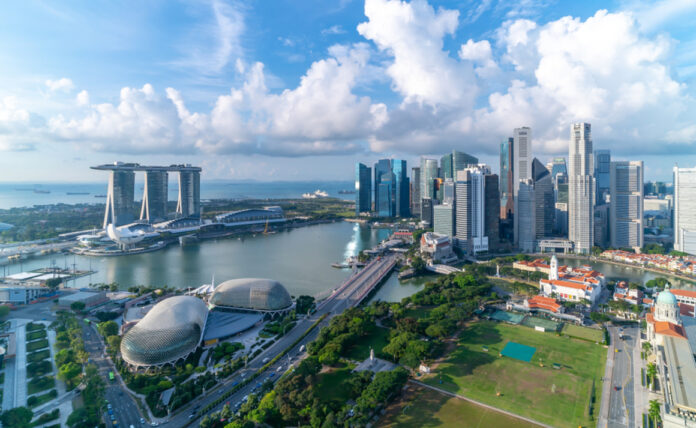
Singapore’s real estate market continues to rise in a region filled with economic uncertainty.

Property prices aren’t just climbing—they’re defying gravity. But what’s driving this trend? The answers lie in a complex mix of policy, planning, prestige, and profit.

Key Highlights

  • Singapore’s limited land keeps prices under constant pressure
  • Tech-savvy developments raise the bar for future launches
  • Strong government regulation builds long-term investor trust
  • Foreign interest remains high despite ownership restrictions
  • Smart infrastructure drives up value in targeted zones
  • Developer reputation influences price perception and demand
It’s How Singapore Uses Land
Source: freepik.com

Not Just Scarcity — It’s How Singapore Uses Land

Land constraints alone don’t tell the full story. Other cities are dense too. What sets Singapore apart is how it plans and controls the use of land. Instead of random urban sprawl, every parcel here fits into a blueprint.

Here’s what that looks like in practice:

Factor Impact on Prices
Limited residential zones Higher land bidding prices
Zoning stability Investor confidence
Government-held reserves Slow and controlled supply

This approach keeps both supply and speculation in check—while locking in high baseline prices.

Developers That Build More Than Homes

When buyers see names like CapitaLand on a project, it signals more than quality—it promises future-proof design, smart infrastructure, and eco integration.

A perfect example is Lyndenwoods. Developed by CapitaLand, the same name behind One Pearl Bank and Raffles City, this project reflects a shift in buyer expectations.

Today, people don’t just want space. They want smart lighting, cooling efficiency, digital home integration, and access to curated community features.

When one project introduces higher benchmarks, surrounding projects rise in price to match. That ripple effect is visible across all districts.

Regulation That Protects and Promotes Prices

Many outsiders assume cooling measures slow down the market. In reality, they anchor long-term confidence. Here’s why:

  • ABSD (Additional Buyer’s Stamp Duty) deters reckless buying.
  • TDSR (Total Debt Servicing Ratio) ensures buyers don’t over-leverage.
  • Loan limits and ownership rules protect first-time buyers.

The message is clear: the government will prevent a crash at all costs. For investors, that sounds like stability. For homeowners, it means safety. Result? Buyers hold, sellers don’t panic, and prices resist collapse.
Foreign Buyers Still Fuel High-End Growth

Despite tax barriers, overseas demand hasn’t disappeared—it just evolved. Wealthy foreign buyers focus on long-term assets that offer regional security. They target:

  • Prime Districts 9, 10, and 11
  • Integrated developments near MRT and malls
  • Freehold properties with limited supply

This top-tier demand keeps luxury prices moving upward. It also pushes local buyers into fringe areas, raising values across the board.

Infrastructure = Instant Value Growth

Singapore doesn’t build blindly. Each transport upgrade, mall, or business park has real estate consequences.

Let’s break it down:

  • New MRT lines like the Cross Island Line lift demand in previously underpriced neighborhoods.
  • Business node expansions in places like Punggol Digital District create job demand—and housing demand.
  • Smart zoning in upcoming transformation areas like Greater Southern Waterfront primes surrounding land for price hikes.

Also, a standout trend is the rise of collaborative development ventures that bring global and local excellence into one project.

Grand Zyon shows how this works. It merges the strength of CDL—a Singapore property giant—with Mitsui Fudosan, one of Japan’s top developers.

CDL’s innovation in green buildings and Mitsui’s community-first focus create homes that attract both local families and foreign investors.

Result? Launch prices start high—and stay high.

The Rental Market Pushes Demand Further

Prices aren’t only driven by purchases. Rental pressure also feeds buyer urgency. With post-pandemic relocation in full swing, rents have spiked, especially in central and city-fringe zones.

District Avg. Rental Yield (%) Buyer Demand Trend
District 9 (Orchard) 3.7% High for luxury
District 14 (Geylang) 4.1% Rising among expats
District 19 (Serangoon) 3.9% Steady resale value

Buyers weigh rent potential alongside capital gains. High yields justify higher upfront costs. It’s not just about owning—it’s about holding income-producing assets.

Public Housing Feeds the Cycle Too

Many believe HDB flats are disconnected from the private market. That’s not true.

When BTO delays pile up, buyers shift to resale. Resale prices rise. HDB upgraders then sell high and push into condo markets. Private demand spikes. That chain reaction tightens inventory across both sectors.

In 2024, resale HDB prices grew nearly 5.8%, despite earlier signs of a plateau. Supply gaps keep pressure high.

Green and Smart Features
Source: freepik.com

Green and Smart Features Are Not Optional Anymore

Buyers no longer view sustainability as luxury. It’s a must-have. Water-saving fixtures, solar-ready rooftops, electric charging bays—these features now factor into resale projections and daily cost savings.

Projects with green certifications consistently launch at higher PSF rates—and find buyers anyway. Why? Because they lower lifetime ownership costs, especially with Singapore’s utility tariffs creeping upward.

Final Thoughts: Why Prices Keep Moving Up

Singapore’s housing market isn’t hot because of hype. It’s structured, governed, and engineered to hold value.

Each layer supports the next:

  • Strong developers set premium benchmarks
  • Buyers seek smart and green homes
  • Infrastructure keeps opening new value zones
  • Foreign interest and public housing needs reinforce demand
  • Government policy reduces market risk

The secret isn’t one thing. It’s the entire system working in sync. And unless something disrupts that balance drastically, property prices will keep their upward trend—slowly, steadily, and consistently.

What Makes a Private Luxury Lodge the Ideal Modern Retreat?

Source: booking.com

In recent years, the desire for peaceful, nature-led holidays has grown significantly. For many, the traditional hotel experience no longer satisfies the need for privacy, comfort, and a more meaningful connection to the outdoors. As a result, the popularity of the private luxury lodge has soared, offering discerning travellers a refined yet understated alternative to conventional accommodation.

A New Standard of Rural Accommodation

Today’s luxury lodges are a far cry from the rustic cabins of the past. Thoughtfully designed and equipped with high-end amenities, they bring together elegant living spaces, contemporary interiors, and a natural setting to create a bespoke guest experience. Whether located on the edge of a golf course, within a country estate, or nestled among ancient woodlands, each lodge is positioned to maximise peace and privacy.

private luxury lodge provides a true sense of escape, offering guests the rare opportunity to slow down and recharge in a space that is both beautiful and practical. With self-contained facilities and generous layouts, these lodges are ideal for couples, small families, and even solo visitors looking to enjoy the countryside in comfort.

Inside the Lodge ─ Quality Without Compromise

Source: suedtirol.info

Luxury lodges typically feature spacious bedrooms with premium mattresses and crisp linens, en-suite bathrooms with walk-in showers or freestanding baths, and well-fitted kitchenettes or refreshment areas. Floor-to-ceiling windows and outdoor terraces are often included, allowing guests to enjoy views of surrounding greenery while remaining immersed in their own private sanctuary.

One of the key attractions is the balance between independence and indulgence. Unlike hotel stays where guests may need to adhere to breakfast times or share facilities, lodges provide the freedom to shape your stay exactly as you like, without sacrificing the quality associated with high-end accommodation.

Feldon Valley ─ A Tranquil Cotswolds Escape

For those seeking a luxury lodge experience in the Cotswolds, Feldon Valley in Oxfordshire offers an exceptional option. Surrounded by picturesque countryside and home to a well-regarded golf course, Feldon Valley’s lodges are designed with sustainability, style, and guest comfort in mind. The interiors combine natural textures with calming tones, reflecting the rural setting while maintaining a polished aesthetic.

Guests can expect soft bathrobes, artisan snacks, and locally inspired touches that enhance the sense of place. The lodges are just a short walk from the main clubhouse and restaurant, which serves seasonal dishes sourced from trusted local producers. This allows for a restful break with optional social spaces nearby — the best of both worlds.

A Lodge Stay for All Seasons

Source: booking.com

One of the most versatile aspects of a private luxury lodge is its year-round appeal. In spring and summer, you can open the doors to fresh air, enjoy walking trails, or dine alfresco on the deck. In autumn and winter, the lodge transforms into a cosy haven with underfloor heating, warm lighting, and countryside views from the comfort of a soft armchair.

These spaces are perfectly suited to short breaks and longer stays alike, providing the flexibility and comfort that many modern travelers value most.

Redefining Rural Travel

A private luxury lodge is not simply a place to stay — it is a destination in itself. Combining design-led interiors with peaceful surroundings, it redefines what it means to “get away from it all”. For those who value both style and solitude, a stay at one of the Feldon Valley lodges offers a tranquil escape with all the luxuries of a boutique hotel without the bustle.

To experience this for yourself, consider booking a private luxury lodge and discover the joys of countryside living done properly.

Singapore’s Property Taxes ─ Things to Know Before Making an Investment

Source: linkedin.com

Is your investment strategy ready for the financial realities of buying in Singapore? Many investors assume they know the full picture, only to face unexpected costs.

Taxes play a critical role in determining profit margins, so a well-planned approach is essential.

Key Points

  • Different tax categories apply based on buyer profile and property type.
  • Additional Buyer’s Stamp Duty (ABSD) significantly impacts foreign investors.
  • Annual property tax rates vary based on usage and occupancy.
  • Investment success depends on balancing costs with long-term gains.
  • Understanding tax reliefs and exemptions can optimize financial planning.

Buyer’s Stamp Duty (BSD) and Its Financial Impact

Every investor pays Buyer’s Stamp Duty (BSD) based on purchase price or market value, whichever is higher. The rates follow a tiered structure:

  • 1% on first $180,000
  • 2% on next $180,000
  • 3% on next $640,000
  • 4% on amounts exceeding $1 million

For high-value transactions, BSD significantly influences investment feasibility. Buyers considering executive condominiums like Aurelle Tampines should account for BSD in financial projections. Ignoring BSD can lead to costly miscalculations, especially for those purchasing prime residential spaces.

Additional Buyer’s Stamp Duty (ABSD) – Who Pays More?

Source: redbrick.sg

Foreigners and entities face hefty Additional Buyer’s Stamp Duty (ABSD) charges. Permanent Residents and Singaporean Citizens also encounter ABSD for second or subsequent purchases. Since ABSD can reach 60% for some buyers, it drastically affects affordability and return on investment.

  • Singapore citizens ─ No ABSD on a first home, 20% on second, 30% on third.
  • Permanent residents ─ 5% on a first home, 30% on second, 35% on third.
  • Foreigners ─ 60% ABSD on any purchase.
  • Entities & trusts ─ 65% ABSD applies.

A practical example: A foreign investor buying a $2 million residential unit will need to pay $1.2 million in ABSD alone. The high cost discourages speculative purchases and keeps the market stable.

Annual Property Tax – How Much Will You Pay?

Singapore applies progressive tax rates based on property use. The formula follows:

Annual Value (AV) x Applicable Tax Rate = Property Tax

1. For Owner-Occupied Homes

The tax rate ranges from 0% – 16%, depending on the annual value of the home. Lower-value homes enjoy minimal taxation, benefiting homeowners who live in their properties.

2. For Non-Owner-Occupied Homes

Investors renting out properties must pay higher rates between 11% – 27%. For rental investments, non-owner-occupied rates reduce net returns. Strategic investors assess tax implications before deciding on rental strategies.

How Rental Income Tax Affects Investors

Source: zenbusiness.com

Rental earnings are taxable under personal income tax brackets. Common deductible expenses include:

  • Mortgage interest
  • Property maintenance fees
  • Agent commissions
  • Repairs & upgrades

A landlord earning $60,000 annually from rental income could see a large portion taxed if they do not utilize available deductions. The smart approach is to document expenses carefully and claim every allowable deduction to optimize net income.

Seller’s Stamp Duty (SSD) – Penalty for Quick Sales

The government discourages short-term flipping through Seller’s Stamp Duty (SSD). Any investor selling within three years of purchase will face a significant tax penalty:

  • 12% if sold within 1 year
  • 8% if sold within 2 years
  • 4% if sold within 3 years

For a $1.5 million property, selling within a year would mean an $180,000 SSD charge. Investors must plan holding periods strategically to avoid unnecessary taxation.

Tax Exemptions and Rebates – Are You Eligible?

Some relief measures help mitigate tax burdens, allowing investors to save where possible.

  • Owner-occupied relief ─ A homeowner living in their property pays lower tax rates.
  • First-time Singaporean buyers ─ They enjoy an ABSD exemption on their initial purchase, reducing upfront costs significantly.
  • Temporary development tax breaks ─ Some new residential projects qualify for limited-time tax incentives, helping developers attract buyers.

Being aware of available tax reliefs strengthens financial positioning, ensuring fewer unexpected costs.

The Role of Tax Planning in Maximizing ROI

Source: capitall.com.sg

Savvy investors adopt strategies to counteract tax expenses. The goal is to structure investments efficiently while staying compliant with regulations.

Key strategies include:

  • Leverage tax-efficient financing – Compare loan structures to minimize taxable income.
  • Optimize ownership structure – Joint ownership can alter ABSD impact.
  • Choose rental-friendly districts – Higher yields offset tax costs.
  • Hold long-term assets – Avoid SSD penalties and benefit from capital appreciation.
  • Monitor policy changes – Singapore revises tax rates periodically.

By anticipating costs and adjusting strategies accordingly, investors maintain profitability over the long term.

Hidden Costs That Many Investors Overlook

Beyond direct taxes, investors often underestimate additional expenses tied to real estate investments.

  • Legal fees ─ Required for transaction documentation.
  • Maintenance costs ─ Regular upkeep ensures properties retain their value.
  • Furnishing costs ─ Needed for rental units to stay competitive.
  • Vacancy periods ─ Extended vacancies reduce projected rental income.

A well-calculated investment plan accounts for these costs, preventing financial strain.

Should You Invest in New or Resale Developments?

New launches and resale properties offer different advantages depending on an investor’s goals.

New developments:

  • Lower maintenance costs initially
  • Potential appreciation over time
  • Government incentives may apply

Resale units:

  • Immediate rental income potential
  • Lower upfront costs in some cases
  • More established communities and amenities

Choosing between the two depends on investment objectives and financial flexibility.
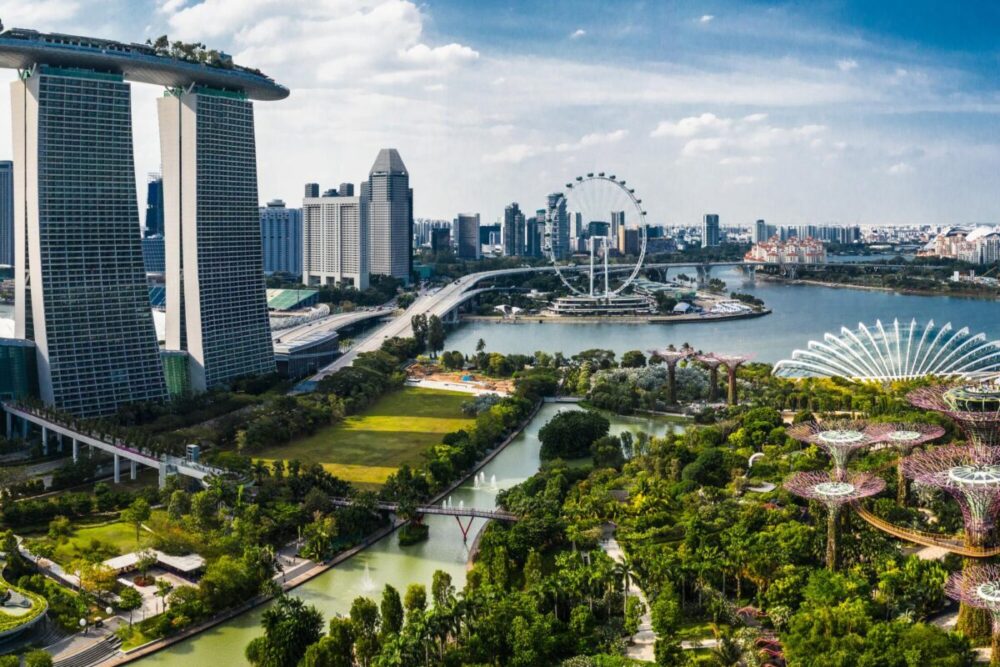
Final Thoughts

Every investor must factor tax obligations into financial projections. Smart planning helps maximize returns despite regulatory costs.

With the right approach, Singapore remains an attractive investment destination. An informed strategy ensures that returns outweigh tax expenses in the long run.

Considering a Move to Singapore? Here’s What You Need to Know About Housing Options

Source: pilotoasia.com

Thinking about relocating to one of the most dynamic cities in the world? Singapore offers a variety of housing options for every preference, budget, and lifestyle. From luxurious condominiums to HDB flats, the city-state presents choices as varied as its skyline. Making the right decision begins with knowing what’s available and how it fits your needs.

Key Points

  • Explore different residential types, from HDB flats to private condos.
  • Learn how renting and buying compare.
  • Consider the cost factors, including location and amenities.
  • Discover the benefits of eco-friendly developments.

Private Condos: The Gateway to Premium Living

Condominiums remain a popular choice for many seeking the perfect balance of convenience, amenities, and prestige. For example, Elta, a project by MCL Land and CSC Land, is designed with modern living in mind. It blends luxury with sustainability, offering homeowners both comfort and long-term value.

MCL Land’s emphasis on innovative design complements CSC Land’s expertise in crafting integrated communities. Together, they ensure that developments like Elta stand out as excellent investments. If you’re drawn to the idea of living in a space where every detail is considered, condominiums like Elta should be high on your list.

Choosing Between Renting and Buying

The choice between renting and buying often depends on your financial goals and long-term plans. Here’s a breakdown to help you decide:

Renting

  • Flexibility to move without long-term commitment.
  • Smaller initial cash outlay, ideal for newcomers.
  • No need to worry about property maintenance.

Renting is like dating the market—you can test the waters without diving in too deep. However, you don’t build equity, meaning your money isn’t working for you in the long run.

Buying

  • Long-term stability and investment potential.
  • Ownership allows for customization.
  • Builds financial security through property appreciation.

Buying is akin to saying, “I’m all in.” While the commitment is significant, the rewards can be equally substantial. Just ensure that your financial standing aligns with the demands of ownership.

Types of Residential Properties

Source: thehomesdirect.com

Singapore’s residential landscape is as varied as the city’s cuisine. Here’s a quick guide:

HDB Flats

Public housing offers affordability and accessibility. These flats are ideal for locals or Permanent Residents looking for functional and community-centered living.
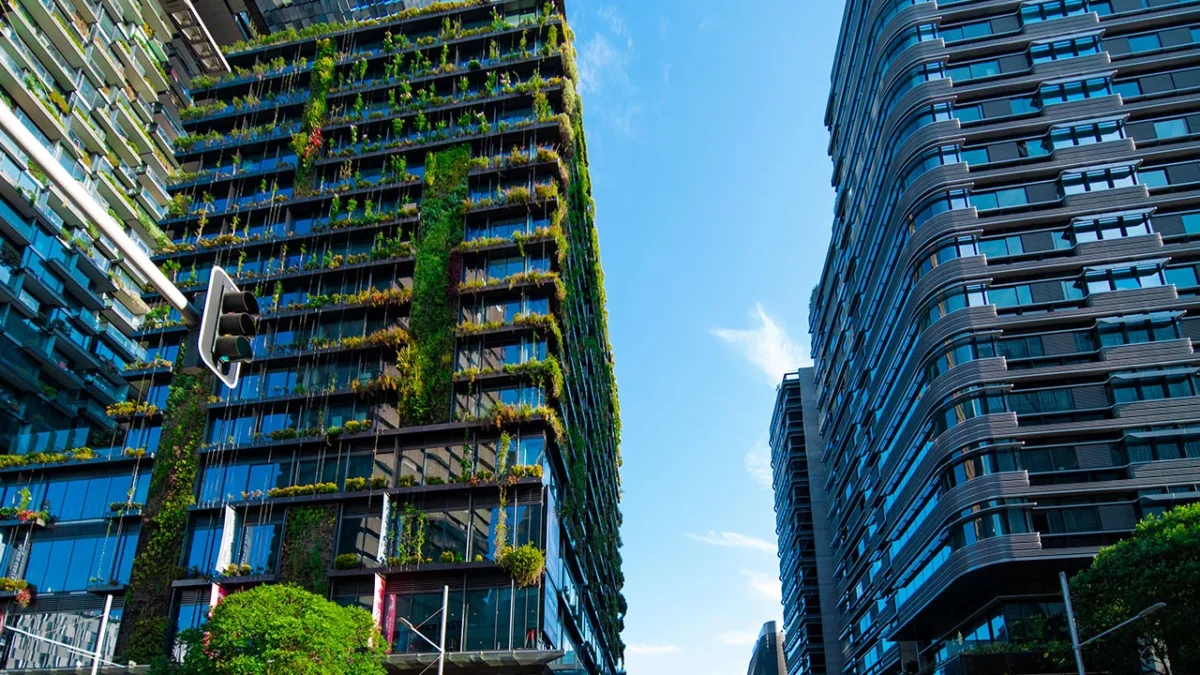
Private Condominiums

Designed for those seeking added privacy and amenities, condos range from mid-tier to high-end options, often located in prime areas.

Landed Properties

For those who value space and exclusivity, landed homes offer unparalleled privacy. These homes, however, come with a steeper price tag and maintenance responsibilities.
What Affects Property Prices?

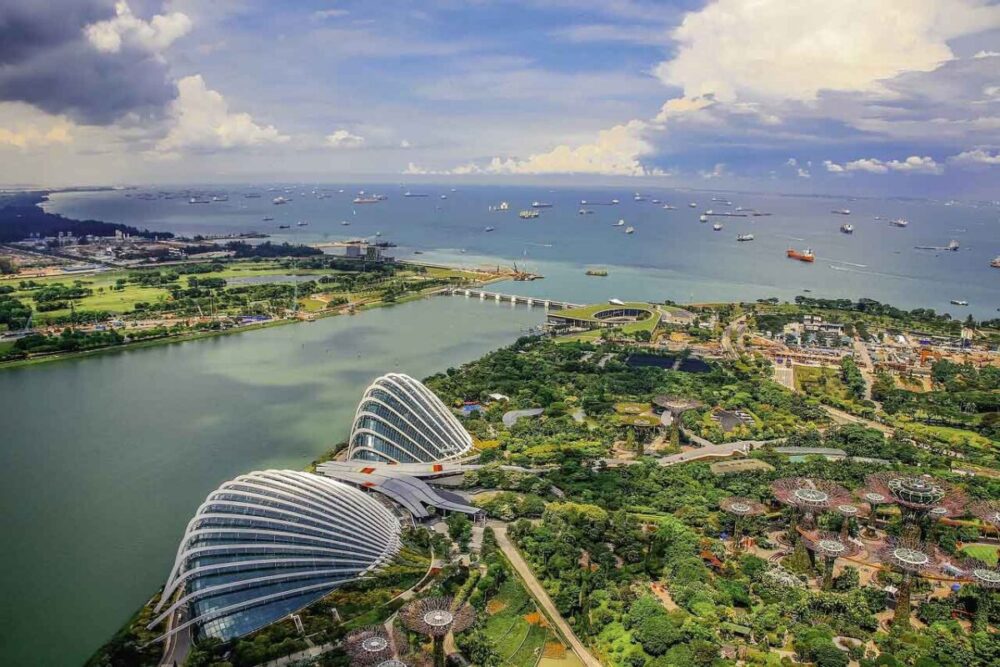
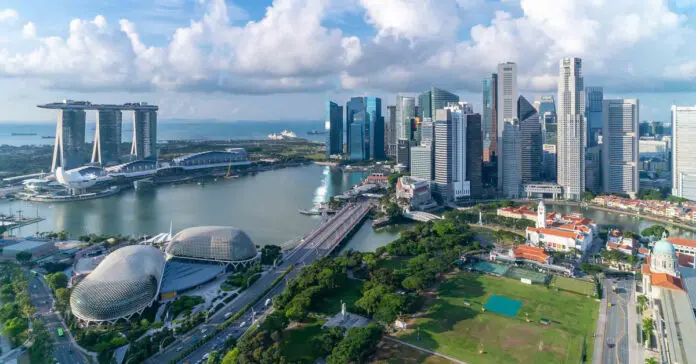
Location remains a key factor. Properties in areas like Orchard and Marina Bay are priced at a premium, much like securing front-row seats at a sold-out concert. Proximity to MRT stations, schools, and amenities also plays a role.

Additionally, eco-friendly projects are gaining traction, offering a blend of modernity and sustainability. Developments like Elta highlight how the focus on green spaces can add value to properties.

Making the Most of Your Budget

Your budget determines what you can afford, but strategic planning ensures you get the most value.

  1. Define Priorities: List must-haves versus nice-to-haves.
  2. Evaluate Amenities: Decide whether facilities like pools or gyms are worth the extra cost.
  3. Plan for the Future: Think about resale value and long-term potential.

Remember, a well-priced apartment or house doesn’t stay on the market forever. Acting decisively is crucial.

The Role of Developers in Quality

Reputable developers ensure that properties not only meet but exceed expectations. Their expertise translates into sustainable designs, strategic locations, and attention to detail. Projects like Elta exemplify how thoughtful development can provide value for years to come.

Eco-Friendly Developments: A Growing Trend

Green buildings are becoming the new standard. They offer energy efficiency, reduced environmental impact, and better living conditions. Choosing eco-friendly properties is like investing in the future—it’s a decision that pays off for both you and the planet.

Tips for Newcomers

Navigating a new property market can be overwhelming. Here are some tips to make the process smoother:

  1. Research Thoroughly: Familiarize yourself with property types and costs.
  2. Engage a Real Estate Agent: Local expertise can save time and effort.
  3. Understand Legal Requirements: Ensure compliance with rules for foreigners buying property.
  4. Plan Visits: Walkthroughs provide a better sense of the space than photos.

Conclusion

moving to singapore
Source: theprogenygroup.com

Relocating to Singapore means navigating a range of property choices, each with unique benefits. Whether you’re considering a practical HDB flat, a luxurious private condo, or a spacious landed home, aligning your lifestyle and budget with your decision is key. Make your move a calculated one—because, like any good investment, the payoff is in the details.

Investing in Singapore Real Estate ─ The Hidden Gems of Emerging Neighborhoods

Source: savills.com

Singapore’s property market consistently attracts global attention due to its stability, transparency, and growth potential. Beyond the well-known hubs, emerging neighborhoods offer lucrative investment opportunities.

These areas, supported by strategic urban planning and infrastructure, provide affordable entry points with promising appreciation potential.

Key Points

  • The importance of investing in developing regions.
  • The role of urban planning in increasing property values.
  • Opportunities for sustainable and eco-friendly developments.
  • Tips for identifying undervalued locations.

The Growing Appeal of Emerging Neighborhoods

Singapore’s rapid urbanization has led to an increased focus on developing newer areas to balance demand. While established districts like Orchard Road or Marina Bay dominate headlines, savvy investors are turning their attention to less prominent but highly promising regions.

Emerging neighborhoods stand out for their accessibility, improving infrastructure, and affordability compared to established areas. These regions often become the testing grounds for innovative housing solutions and sustainable developments.

For example, projects like Orie showcase how modern housing complexes in emerging areas combine convenience and eco-conscious living. Such developments represent the future of urban residential spaces, designed to cater to evolving lifestyles.

Why Emerging Areas Deserve Investor Focus

Source: propnex.com

1. Affordability Meets Growth Potential

Emerging neighborhoods typically offer lower property prices than mature districts. This makes them attractive for investors seeking higher returns or first-time buyers looking for value. With urbanization plans focusing on these areas, property values are set to appreciate significantly over time.

2. Enhanced Connectivity

Transportation networks play a vital role in transforming underdeveloped regions into thriving hubs. Upcoming MRT lines, highways, and bus interchanges often center around these neighborhoods, making them increasingly accessible and desirable.

3. Government Support

The Singapore government prioritizes balanced growth, allocating resources to infrastructure and housing development in emerging regions. Policies like the decentralization of business districts further enhance these areas, reducing congestion in the city center while promoting economic activity in new zones.

Key Factors Driving Property Demand

Emerging neighborhoods aren’t just about affordability; they’re built for the future. Developers incorporate advanced designs, green spaces, and mixed-use facilities to create vibrant communities. Some key drivers of demand include:

  • Sustainability ─ Many projects in these areas emphasize energy efficiency and eco-friendly designs.
  • Amenities ─ Integrated facilities like schools, healthcare centers, and shopping malls boost the appeal of these locations.
  • Job opportunities ─ Decentralized business districts provide residents with employment prospects closer to home.

How to Spot a Hidden Gem

Source: latimes.com

Identifying high-potential areas requires research and attention to detail. Here’s how you can uncover opportunities:

  1. Study urban planning maps ─ Look for regions marked for future development or significant government investment.
  2. Monitor infrastructure projects ─ Proximity to new MRT lines or highways is often a sign of upcoming growth.
  3. Assess developer track records ─ Trusted names in the industry often invest in neighborhoods with long-term potential.
  4. Check rental yields ─ High rental demand in an area indicates strong investment viability.
  5. Follow local news ─ Stay informed about policy changes or announcements related to housing and infrastructure.

The Role of Innovative Design in Transforming Neighborhoods

Innovative design and strategic planning are essential in reshaping underdeveloped areas into thriving communities. Successful projects focus on more than just building structures—they emphasize creating spaces that enhance quality of life, prioritize sustainability, and foster community connections.

Efforts in urban transformation often include features such as energy-efficient designs, green spaces, and integrated facilities that cater to both residential and commercial needs. By prioritizing eco-conscious practices, modern developments not only meet the demands of today but also contribute to long-term environmental goals.

Investors benefit from these thoughtfully planned projects, as they often align with future growth trends, ensuring lasting value and appeal.

Challenges and Opportunities

Source: invesco.com

While emerging areas offer undeniable advantages, they come with certain challenges:

Challenges

  • Initial low demand ─ Emerging regions may take time to gain traction, requiring patience from investors.
  • Uncertain market trends ─ Predicting growth patterns can be challenging, especially for areas with limited data.
  • Competition ─ As more investors recognize the potential, competition for prime properties intensifies.

Opportunities

  • Higher returns ─ Early investments in underdeveloped areas often yield significant gains as the region matures.
  • Diverse options ─ These neighborhoods cater to various budgets and preferences, from luxury homes to affordable housing.
  • Community living ─ New developments prioritize creating self-sufficient communities, adding long-term value.

Practical Tips for Investors

Navigating the property market requires strategic planning and informed decision-making. Here are some tips to help you get started:

  1. Understand the area ─ Study the demographics, infrastructure plans, and amenities of your target location.
  2. Leverage financial tools ─ Explore financing options, tax incentives, and grants available for property investments.
  3. Consult experts ─ Work with real estate agents or property consultants specializing in emerging regions.
  4. Diversify investments ─ Balance your portfolio with properties from both established and developing areas.
  5. Be patient ─ Growth in emerging neighborhoods may take time but often delivers higher returns.

Impact on Singapore’s Urban Landscape

Source: citiesfuture.com

The shift toward developing underutilized areas reflects Singapore’s commitment to sustainable urban growth. These neighborhoods ease pressure on existing hubs while fostering inclusivity and innovation.

Decentralized planning ensures that every part of the city-state contributes to its overall progress. Residents in emerging regions benefit from reduced congestion, improved living conditions, and diverse job opportunities.

Developers align their projects with these goals, incorporating designs that complement Singapore’s green initiatives and urban vision.

Why Emerging Neighborhoods Matter

Investing in new areas offers more than financial returns; it’s a chance to be part of Singapore’s evolving story. Emerging regions embody the balance of modernity and sustainability, setting a standard for urban living worldwide.

Conclusion

Emerging neighborhoods represent the future of real estate investment. With government backing, developer innovation, and improving infrastructure, these areas offer a unique combination of affordability and growth potential. Whether you’re an experienced investor or exploring your first purchase, keeping an eye on underdeveloped regions can lead to significant opportunities.

Start researching today, align with trusted developers, and secure your place in Singapore’s dynamic property market.

Best Neighborhoods in Singapore for First-Time Homebuyers 2025

Neighborhoods in Singapore
Source: singaporeglobalnetwork.gov.sg

Singapore has long been a sought-after destination for homebuyers, particularly first-timers who are captivated by its blend of modern amenities, cultural richness, and diverse living environments.

The city-state offers an array of residential areas, each catering to different lifestyles and preferences.

Elta is a useful source that can provide you with information to read before you move, ensuring a smoother transition to your new home.

Now let us talk about the best neighborhoods in Singapore you should check out.

1. Bukit Timah

Bukit Timah Singapore
Source: singaporeglobalnetwork.gov.sg

Bukit Timah stands out as one of Singapore’s most prestigious neighborhoods, known for its lush greenery and serene surroundings.

The area is a haven for nature enthusiasts, with the iconic Bukit Timah Nature Reserve offering a peaceful escape from the city’s hustle and bustle.

The neighborhood is also home to several top-tier educational institutions, including the renowned Hwa Chong Institution, making it a prime choice for families with school-going children.

Living in Bukit Timah offers excellent connectivity to the Central Business District (CBD) via major expressways and MRT lines, making it convenient for working professionals.

Additionally, the area features a mix of modern luxury condos and spacious landed properties, catering to those who value both comfort and style.

For families seeking a tranquil environment with access to top-notch schools, Bukit Timah is an ideal choice.

2. Holland Village & Dempsey Hill

Holland Village and Dempsey Hill are known for their unique bohemian charm, offering a delightful mix of colonial and modern architecture.

The neighborhood is a hotspot for creatives, young professionals, and expats who are drawn to its vibrant energy. The area boasts an eclectic mix of cafes, boutiques, and markets, making it a lively place to explore on weekends.

With its vibrant dining and nightlife scene, Holland Village is perfect for those who enjoy socializing and networking. The neighborhood is well-connected via MRT, making it easy to commute to other parts of Singapore.

Families and professionals alike benefit from its proximity to international schools, ensuring educational needs are met. For those looking for a lively, creative atmosphere, this area combines the best of convenience, culture, and charm.

3. Orchard Road

Orchard Road is the heartbeat of Singapore’s shopping and entertainment scene, making it a prime location for those who enjoy the finer things in life.

Known for its luxury condos equipped with top-notch amenities, this area is perfect for those who prioritize upscale living. Its strategic location provides unparalleled access to high-end shopping malls, dining establishments, and entertainment venues, making it a favorite among diplomats and executives.

Orchard Road is just a short drive from the Singapore Botanic Gardens, a UNESCO World Heritage site, offering residents a green retreat amidst the urban landscape.

The area also has a vibrant nightlife scene, with trendy clubs and lounges catering to those who seek a cosmopolitan lifestyle.

For individuals who desire the ultimate urban living experience in Singapore, Orchard Road offers luxury, convenience, and an upscale vibe.

4. Sentosa Cove

Sentosa Cove
Source: tripadvisor.com

For those who dream of exclusive waterfront living, Sentosa Cove is the epitome of luxury.

An upscale residential area is nestled on the resort island of Sentosa, offering residents a unique blend of privacy, exclusivity, and resort-style amenities.

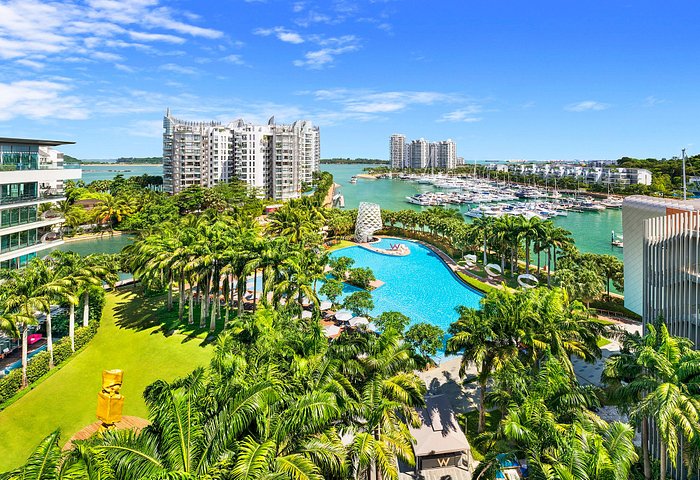
The neighborhood features high-end bungalows and luxury condos, with many properties offering stunning sea views and private berths for yachts.

Sentosa Cove is a paradise for those who enjoy a luxurious, coastal lifestyle. Residents have exclusive access to marinas, golf courses, and beach clubs, creating an environment reminiscent of a perpetual vacation.

Its tranquil setting is perfect for ultra-high-net-worth families and retirees looking for a serene, private escape.

The Bottom Line

It’s essential to explore these neighborhoods in person to truly understand their atmospheres before making a decision.

Consulting with local real estate experts can also be invaluable in navigating the complexities of the Singapore property market, ensuring a smooth homebuying journey.