
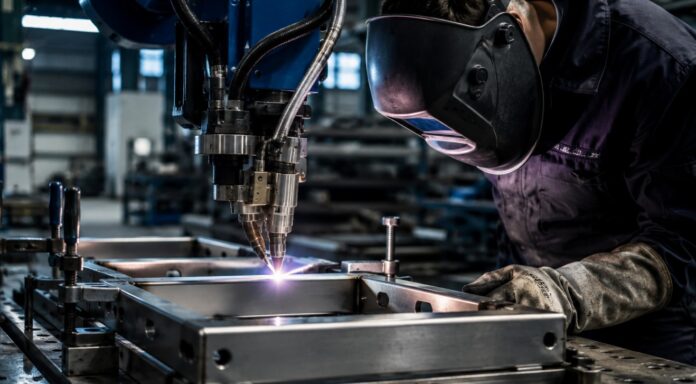
SSW welding revolutionizes metal fabrication by incorporating cutting-edge techniques that boost versatility and precision, offering substantial advantages compared to conventional methods.
By integrating multiple processes in SSW welding, such as laser and TIG welding, businesses can minimize heat input and avoid warping. This means producing higher-quality welds while speeding up project timelines.
Clients reap the benefits of SSW welding through improved precision, fewer defects, quicker production cycles, and enhanced resource efficiency, thus gaining a competitive advantage in their respective markets.
Industries like aerospace, automotive, and construction are experiencing significant gains through SSW welding, as it allows for the creation of stronger, lighter, and safer components, showcasing its broad applicability.
Real-world examples of SSW welding’s success demonstrate clear advancements, including higher fuel efficiency in automotive applications and improved safety in aerospace components.
SSW welding not only streamlines production but also elevates quality, leading to remarkable time and cost savings throughout the supply chain.
Sustainability plays a pivotal role in ssw welding, helping reduce waste and energy usage, which positions conscientious manufacturers at the forefront of eco-friendly practices within the industry.
Table of Contents
What Sets SSW Welding Apart in Today’s Market?
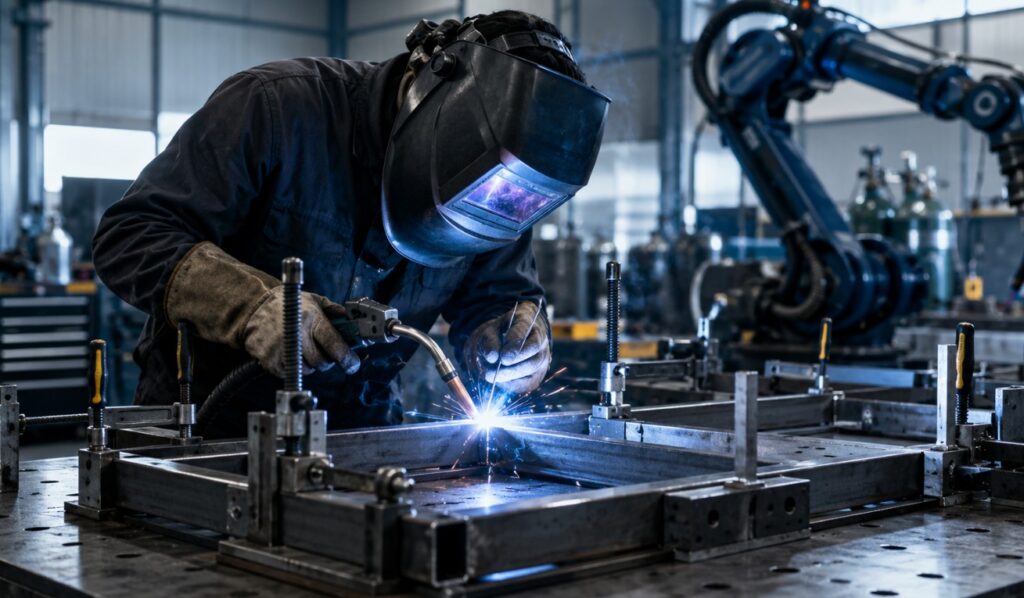
SSW welding signifies a major transformation in the metallic bonding methods that various industries depend on. So, what truly differentiates it? The advanced techniques that fuel SSW welding elevate both versatility and precision, creating a new paradigm in metal fabrication that outmatches traditional methods.
Unpacking the Advanced Techniques Behind SSW Welding
Grasping the essence of SSW welding means considering its multi-process integration. By fusing techniques like laser and TIG (Tungsten Inert Gas) welding, professionals achieve results that conventional methods simply can’t match. This integration decreases heat input, preventing warping in delicate metals.
While this significantly enhances weld quality, it also shortens lead times. Envision shrinking project timelines while simultaneously achieving superior quality. That’s the allure of SSW welding; its technological backbone merges precision, speed, and excellence, precisely catering to today’s manufacturing requirements.
Key Advantages Over Traditional Welding Methods
The distinct advantages SSW welding holds over traditional methods are noteworthy. Key benefits include:
- Enhanced Precision: With diminished thermal distortion, accuracy reaches an entirely new standard.
- Speedy Production: Shorter welding durations result in faster project completions.
- Fewer Defects: Less heat stress means a significant drop in the risk of defects.
- Resource Efficiency: Reduced energy consumption equates to cost savings.
Companies aren’t merely choosing SSW welding; they’re rapidly adopting it. The sector is seeing noteworthy improvements in performance, driven by these compelling advantages, giving them a tangible edge over competitors.
Real-World Applications of SSW Welding: A Closer Look
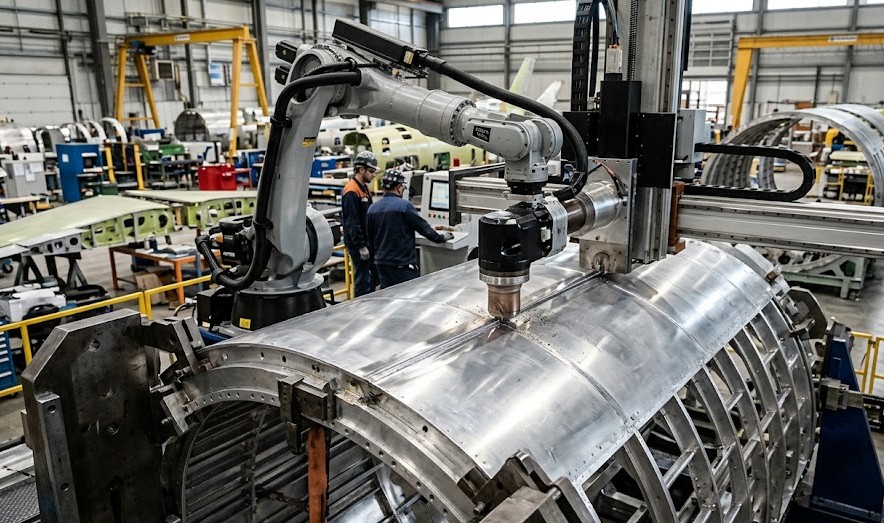
The varied applications stemming from SSW welding reveal its profound impact across numerous sectors. Each industry finds unique benefits from this innovative method. Be it automotive or aerospace, the toughest components emerge from SSW welding techniques.
Industries Benefiting from SSW Innovations
A multitude of sectors are enjoying the fruits of SSW welding, such as:
- Aerospace: Features precision with stringent safety demands.
- Automotive: Improved efficiency on assembly lines enhances output.
- Construction: Sustainable building practices are evolving through advanced welding techniques.
- Manufacturing: Increased adaptability in fabrication processes is gaining momentum.
The capacity of SSW welding to cater to diverse sectors showcases its applicability and effectiveness. Organizations are now better equipped with the capabilities needed to meet stringent specifications without sacrificing time or quality.
Case Studies: Success Stories of SSW Integration
Take, for instance, a recent automotive industry project. One manufacturer adopted SSW welding, resulting in reduced weight for vehicle frames and a substantial boost in fuel efficiency. Such real-world impacts are significant. Another notable success comes from the aerospace sector, where integrating SSW welding led to improved safety in critical components. The outcomes—reduced weight paired with increased strength—represent nothing less than a monumental engineering achievement.
These results don’t just signify enhanced performance; they are reshaping industry models, influencing how manufacturers perceive their operations and outcomes.
How SSW Welding Enhances Efficiency and Quality
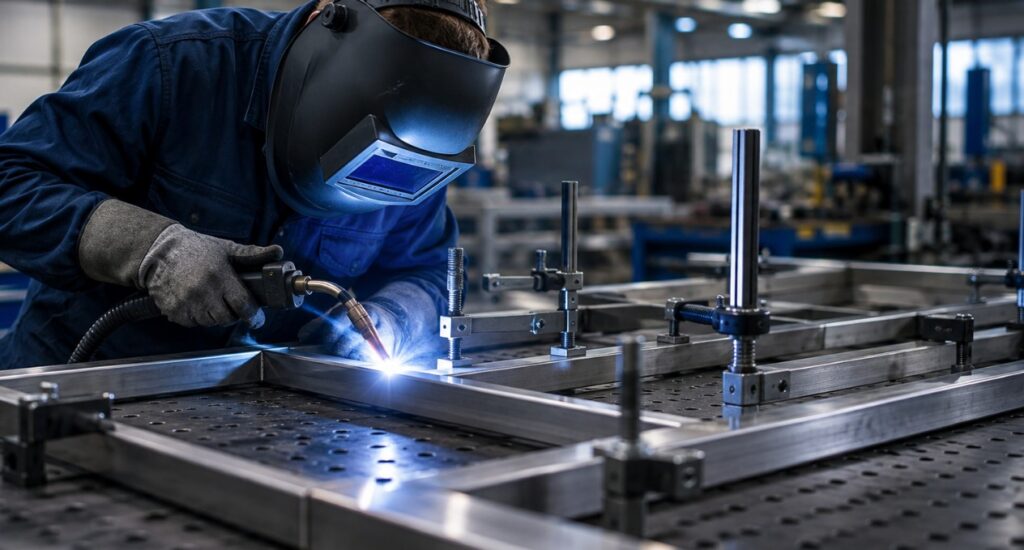
Efficiency and quality stand as the bedrock of contemporary manufacturing success. SSW welding is propelling both to new heights. By identifying inefficiencies and dismantling traditional barriers, organizations are observing remarkable shifts within their operational capabilities.
Streamlining Production: Time and Cost Savings Explained
Real time savings are achievable with SSW welding. Conventional techniques often require extended setups and encounter downtime, but this is changing. With improved cycle times and fewer errors, these technological advances yield savings that reverberate throughout the supply chain. Consider these points:
- Less time needed for weld preparation.
- Reduced supervision requirements.
- Minimized waste during production.
When businesses assess the cumulative time and cost benefits, it’s apparent why SSW welding is gaining traction. Experts in the field recognize the profound influence this has on profitability.
Boosting Structural Integrity with Precision Techniques
SSW welding does more than accelerate processes; it significantly reinforces the strength of the materials involved. The practice of engaging in high-quality fusions yields improvements in structural integrity, a must in fields where safety is paramount. By fine-tuning the methodology, professionals achieve bond strengths that were previously challenging to realize.
This approach doesn’t merely extend longevity; it ensures dependability. Organizations investing in SSW welding effectively fortify their operations against future challenges.
The Future of Metal Fabrication: Trends Shaped by SSW Welding
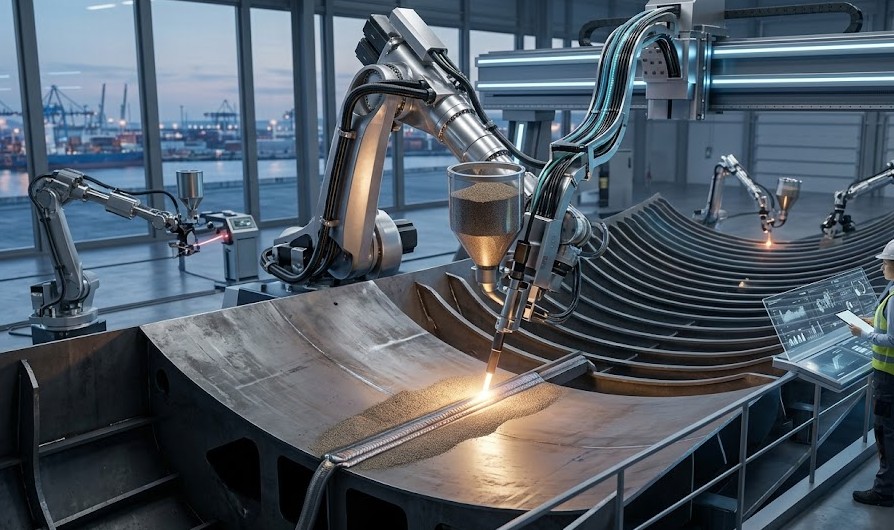
Peering into the future, SSW welding stands ready to transform the landscape of metal fabrication. Rapid advancements coupled with novel techniques will continue to dominate industry conversations. The path forward looks promising, characterized by ongoing enhancements and innovations.
Emerging Technologies to Watch in the SSW Landscape
As SSW welding develops, several pivotal technologies are emerging:
- Robotic Automation: Streamlining operations while minimizing human error.
- AI Integration: Utilizing predictive analytics to optimize efficiency.
- Advanced Materials: New alloys engineered for peak performance with SSW methods.
These innovations indicate that SSW welding is not just keeping pace; it is spearheading the charge toward an exciting horizon.
Preparing for a Sustainable Future in Metal Fabrication
Discussing sustainability is now imperative for businesses. SSW welding contributes to eco-friendly practices by reducing waste and energy consumption. The recycling of excess materials is becoming standard, yielding both cost savings and environmental benefits.
Industry frontrunners are placing sustainability at the forefront, and those that leverage SSW welding find themselves leading this charge. It’s about more than just cutting costs; it’s about weaving a narrative focused on responsible practices.
Ultimately, SSW welding not just redefines metal fabrication; it has the potential to reshape the very definition of what it means to be a responsible manufacturer.
FAQ
What training is required to implement SSW welding techniques?
Training for SSW welding generally involves a mix of hands-on practice and theoretical understanding of advanced welding techniques. Many professionals benefit from specialized courses that concentrate on multi-process integration methods such as laser and TIG welding.
How does SSW welding compare in terms of safety standards?
SSW welding not only meets current safety regulations but often exceeds them by minimizing the chances of defects and structural failures. The precision achieved reduces hazards associated with conventional methods, creating a safer working environment for both workers and end-users.
Can SSW welding be used for small-scale applications?
What is the lifespan of projects completed using SSW welding?
Projects utilizing SSW welding tend to display enhanced durability and structural integrity, significantly prolonging their lifespan. This durability holds particular importance in industries like aerospace and automotive, where reliability is critical.
Are there specific materials that work best with SSW welding?
SSW welding is quite versatile and can be effectively applied to various materials, including high-strength steels, aluminum alloys, and even certain composites. The material selection often hinges on the specific application and desired performance characteristics.
How does SSW welding impact overall project costs?
SSW welding can generate considerable cost savings through shorter production times, fewer defects, and reduced energy usage. When businesses evaluate these factors, many recognize the compelling return on investment, even when initial setup costs may be higher.
What role does quality control play in SSW welding?
Quality control is fundamental to SSW welding, with multiple checkpoints established to ensure proper techniques and accuracy. Implementing strict quality assurance protocols not only reinforces weld integrity but also enhances overall project success and client satisfaction.
How is SSW welding adapting to green manufacturing practices?
SSW welding is leading the way in green manufacturing by minimizing waste and optimizing material efficiency. Companies adopting these processes lower their environmental impact and improve their appeal as responsible, sustainable manufacturers.