
Table of Contents
Key Takeaways
- Day centers for adults with disabilities provide structured environments that promote independence, confidence, and personal development through meaningful daily activities.
- Social programs and group activities help adults with disabilities build friendships, improve communication skills, and reduce feelings of loneliness and isolation.
- Day programs provide valuable respite for family caregivers, allowing them to rest, work, manage personal responsibilities, and maintain healthier family relationships.
- Personalized activities and adaptive programs help individuals develop practical life skills while participating in activities that match their interests, abilities, and personal goals.
- Day centers can help participants prepare for greater community involvement and employment by building communication, teamwork, and workplace-related skills.
- Success stories and measurable outcomes demonstrate how structured day programs can contribute to greater confidence, improved social participation, and increased independence.
- Families can explore different enrollment and financial assistance options to find programs that meet their loved one’s needs and budget.
Discovering the Benefits of Day Centers for Adults with Disabilities
Day centers for adults with disabilities offer much more than a structured place to spend the day. These programs create opportunities for personal growth, social connection, skill development, and greater independence. For families and caregivers, they also provide valuable support and peace of mind.
A well-designed day program focuses on the individual. Activities are often adapted to accommodate different abilities, interests, and personal goals. Whether a participant enjoys art, cooking, exercise, music, or community activities, the right program can create meaningful experiences that improve confidence and quality of life.
Here are five important ways these programs can enhance the lives of adults with disabilities.

Promoting Independence and Building Confidence
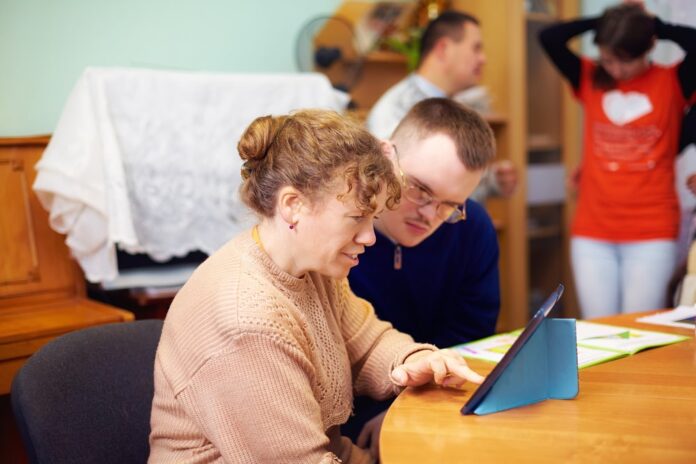
Independence is an important part of living a fulfilling life. Day centers help greater independence develop greater self-reliance by encouraging them to participate in everyday decisions and activities.
Participants may be encouraged to choose their activities, prepare simple meals, manage personal schedules, or practice basic budgeting skills. These tasks may appear simple, but they can provide valuable opportunities to develop confidence and decision-making abilities.
How Day Programs Encourage Independence
- Participants practice making choices about their daily activities.
- Life-skills programs help develop practical abilities.
- Staff members provide guidance while encouraging self-reliance.
- Individuals gain confidence by completing tasks and reaching personal goals.
The goal is not to do everything for participants but to help them discover what they can accomplish with the right support. Over time, these experiences can encourage greater confidence and independence at home and within the community.
Creating Social Connections and Reducing Isolation
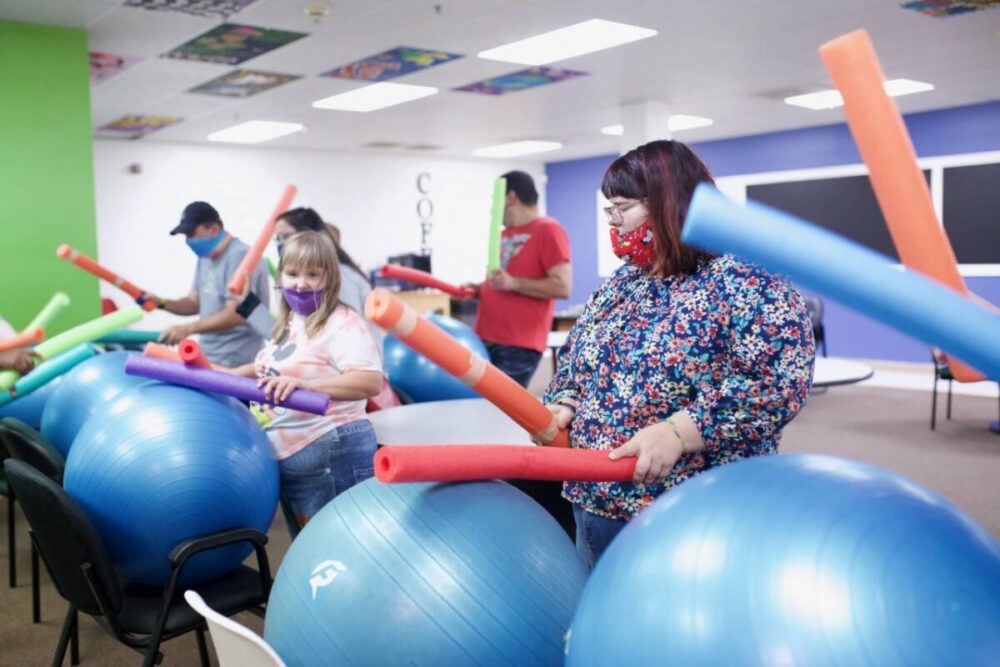
Social interaction is another major benefit of day programs. Adults with disabilities may sometimes experience loneliness or limited opportunities to connect with others. Day centers provide an environment where participants can meet peers, develop friendships, and take part in shared experiences.
Group activities such as games, arts and crafts, music sessions, cooking classes, and community outings create natural opportunities for conversation and collaboration.
Social Benefits of Day Centers
- Group activities encourage teamwork and communication.
- Shared hobbies can lead to meaningful friendships.
- Social events create opportunities to practice interpersonal skills.
- Regular interaction can reduce feelings of loneliness and isolation.
These connections can have a positive effect on emotional well-being. Participants may become more comfortable expressing themselves, communicating with others, and taking part in community activities.
The sense of belonging created within a supportive day program can be especially valuable for individuals who have limited social opportunities elsewhere.
Providing Essential Support for Families and Caregivers
The benefits of day centers extend beyond participants. Families and caregivers can also benefit from the support these programs provide.
Caring for an adult with disabilities can be rewarding, but it may also involve significant time, energy, and responsibility. Day programs give caregivers an opportunity to take a break while knowing that their loved one is participating in a safe and supportive environment.
How Day Programs Help Caregivers
- Provide caregivers with valuable respite time.
- Allow family members to work or manage personal responsibilities.
- Reduce stress associated with full-time caregiving.
- Give families opportunities to focus on their own health and well-being.
- Help strengthen relationships by reducing caregiver burnout.
When caregivers have time to rest and recharge, they may be better equipped to provide support when their loved one returns home. In this way, day programs can contribute to healthier and more balanced family relationships.
Many facilities also provide resources, workshops, or support opportunities that help families better understand their loved one’s needs and available services.
Offering Personalized Activities and Practical Skill Development
Every individual has different abilities, interests, strengths, and goals. Effective day centers recognize these differences and create programs that can be adapted to individual needs.
Personalized programming can make activities more meaningful and encourage participants to become more engaged. For example, one person may enjoy painting, while another may prefer physical exercise, cooking, technology, or music.
Examples of Personalized Activities
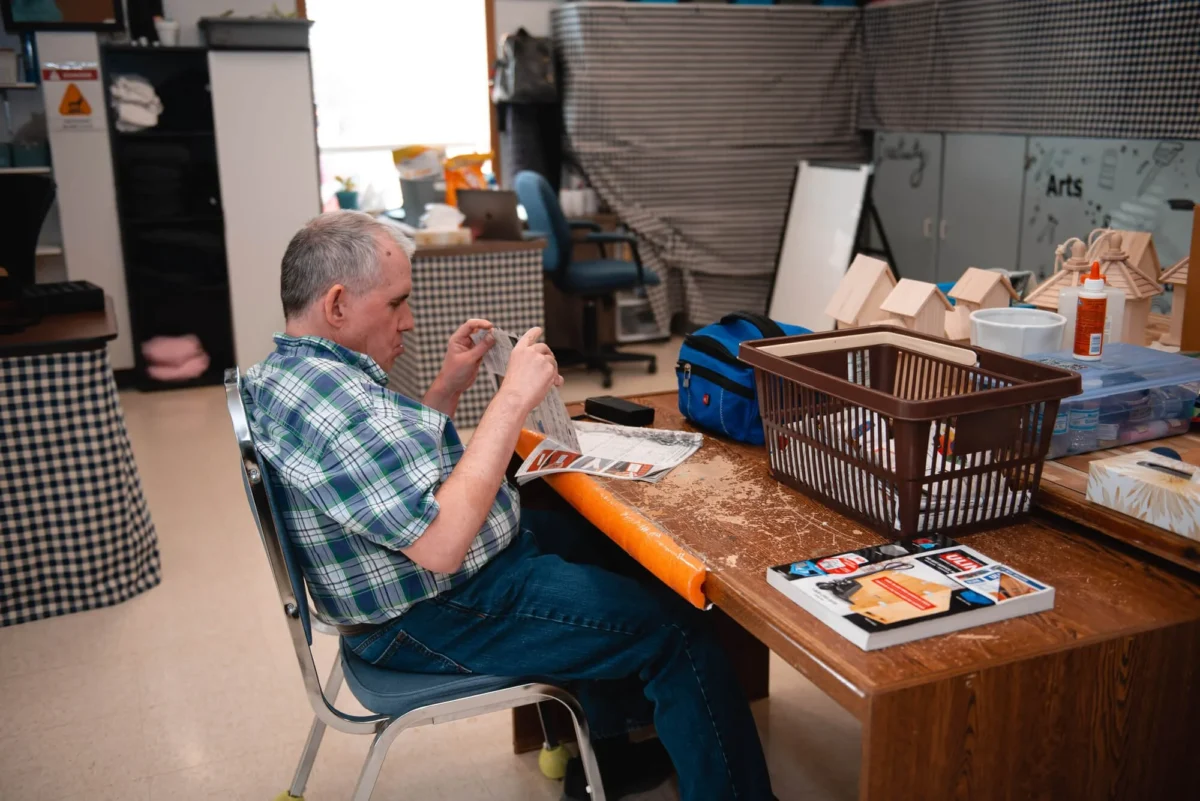
- Arts and crafts
- Cooking and meal preparation
- Fitness and movement programs
- Music and creative expression
- Gardening
- Computer and technology activities
- Community outings
- Life-skills training
These activities can serve a purpose beyond entertainment. Participants may develop practical skills that can be useful in everyday life.
For example, cooking activities can teach meal preparation and kitchen safety. Community outings can help individuals practice navigating public spaces. Group projects can improve communication and teamwork.
By matching activities with personal interests and abilities, day programs can encourage participants to learn, explore, and develop new skills in a supportive environment.
Encouraging Community Participation and Personal Growth
A major goal of many day programs is to help adults with disabilities become more active participants in their communities. This can involve community outings, volunteer opportunities, recreational activities, or programs designed to develop employment-related skills.
Participants may practice communication, teamwork, time management, and problem-solving. These skills can help them feel more confident when interacting with people outside the day center.
Examples of Community and Personal Development
- Participating in local events
- Volunteering in the community
- Visiting museums, parks, and public facilities
- Developing workplace-related skills
- Taking part in community service projects
- Practicing communication and social skills
For some individuals, these experiences can support future employment or volunteer opportunities. For others, the primary goal may simply be greater confidence and participation in everyday community life.
The important point is that progress looks different for every individual. A meaningful achievement could be learning a new skill, making a friend, completing a community activity, or gaining confidence in a new environment.
Success Stories – The Positive Impact of Day Programs
The impact of day centers can often be seen through the personal progress of participants. Individuals who initially struggle with social interaction may gradually become more comfortable communicating with others. Those who have limited experience with everyday tasks may develop greater confidence through practical activities.
Some participants may discover creative talents and showcase their work at local events. Others may develop skills that help them pursue volunteer or employment opportunities.
Examples of Positive Outcomes
- Greater participation in social activities
- Improved communication and teamwork
- Increased confidence and self-esteem
- Development of practical life skills
- Greater involvement in community activities
- New friendships and social connections
- Progress toward employment or volunteer opportunities
These outcomes demonstrate that day programs can serve as a foundation for personal growth. With consistent support and meaningful opportunities, participants can continue developing their abilities and pursuing their individual goals.
Measuring Progress and Personal Development
Every participant has different goals, so success should not be measured in exactly the same way for everyone. Day centers may use individual assessments and progress reviews to determine how participants are developing over time.
Progress may include improvements in communication, independence, social participation, daily living skills, or community involvement.
Common Measures of Progress
- Increased participation in group activities
- Improved ability to complete daily tasks
- Greater confidence in making decisions
- Stronger communication skills
- Increased community participation
- Progress toward personal or employment goals
Tracking these improvements allows staff and families to identify areas of progress and determine where additional support may be helpful.
Choosing the Right Day Center for an Adult with Disabilities
Finding the right program requires careful consideration. Families should look for a facility that understands the individual’s needs and provides activities that align with their abilities and interests.
Before choosing a center, families may want to ask about the following:
- What types of activities are available?
- How are individual care plans developed?
- What qualifications and training do staff members have?
- How does the center handle different support needs?
- Are transportation services available?
- How does the facility communicate with families?
- What are the enrollment requirements and costs?
- Are financial assistance programs available?
Visiting a facility can also help families understand the environment. Observing staff interactions and speaking with program representatives can provide valuable insight into whether the center is a good fit.
Final Thoughts
Day centers for adults with disabilities can make a meaningful difference in the lives of participants and their families. By promoting independence, encouraging social connections, supporting caregivers, offering personalized activities, and creating opportunities for community participation, these programs address many important aspects of daily life.
The right day program is more than a place to spend the day. It can be a supportive environment where adults with disabilities develop skills, build relationships, discover interests, and work toward personal goals.
For families, these services can provide reassurance and valuable support. For participants, they can open doors to greater confidence, independence, and community involvement.
Ultimately, the most successful programs recognize that every individual has unique strengths and potential. With personalized support and meaningful opportunities, adults with disabilities can continue to learn, grow, and lead more fulfilling lives.
FAQ
What types of activities do day centers offer for adults with disabilities?
Day centers typically offer a variety of activities based on participants’ interests and abilities. These may include arts and crafts, cooking, exercise, music, games, life-skills training, community outings, and social events.
How can day centers help adults with disabilities become more independent?
Day programs may provide opportunities to practice decision-making, cooking, budgeting, communication, and other practical skills. These activities can help participants build confidence and become more self-reliant.
Can day centers help participants prepare for employment?
Some programs offer vocational or employment-focused activities that help participants develop skills such as communication, teamwork, time management, and workplace behavior. Depending on the individual’s goals, these programs may also provide job-readiness or volunteer opportunities.
How do day centers support family caregivers?
Day centers provide structured activities and supervision during the day, giving caregivers time to work, rest, manage personal responsibilities, or attend to other family needs. This respite can help reduce caregiver stress and support healthier family relationships.
Are activities customized for each participant?
Many day centers create individualized plans based on a participant’s abilities, interests, support needs, and personal goals. Activities may be modified to ensure individuals can participate as fully as possible.
How can families choose the right day center?
Families should consider the individual’s needs, interests, goals, and level of support required. Visiting potential centers, asking about staff qualifications, reviewing available activities, and discussing care plans can help families make an informed decision.
Can families participate in day center activities?
Some facilities encourage family involvement through special events, workshops, community activities, or educational programs. Families can ask each center about opportunities for participation.
What financial assistance may be available?
Depending on location and eligibility, families may be able to explore government programs, Medicaid-related services, disability support programs, grants, or other financial assistance options. Families should contact local agencies and individual facilities to learn about available resources.